It is a sinking feeling every driver dreads: the sudden, loud scrape of metal against a low-hanging object. Low clearance impacts, common in parking garages, drive-thrus, or under old bridges, can cause significant and often underestimated damage to your vehicle. While the initial scrapes on the roof may seem purely cosmetic, the force of the impact can compromise structural components, damage antennas or sunroofs, and even lead to hidden issues like water leaks. Understanding the full scope of the damage is the first critical step toward a proper repair. A professional assessment is essential to identify not only the visible dents and scratches but also any underlying structural or alignment problems that could affect your vehicle's safety and integrity. A quality repair is not just about looks; it is about restoring your vehicle to its pre-accident condition, ensuring it is safe for the road ahead. For more information, explore our blog.
Navigating the aftermath of a low-clearance collision involves more than just finding a repair shop; it is about entrusting your vehicle to certified professionals who understand the complexities of modern automotive structures. From precise paint color matching to ensuring the integrity of your vehicle's frame, every detail matters. A meticulous repair protects your investment, maintains its resale value, and, most importantly, ensures your safety. Choosing a reputable shop with transparent processes gives you peace of mind throughout the repair journey.
A Comprehensive Guide to Low Clearance Damage and the Repair Process
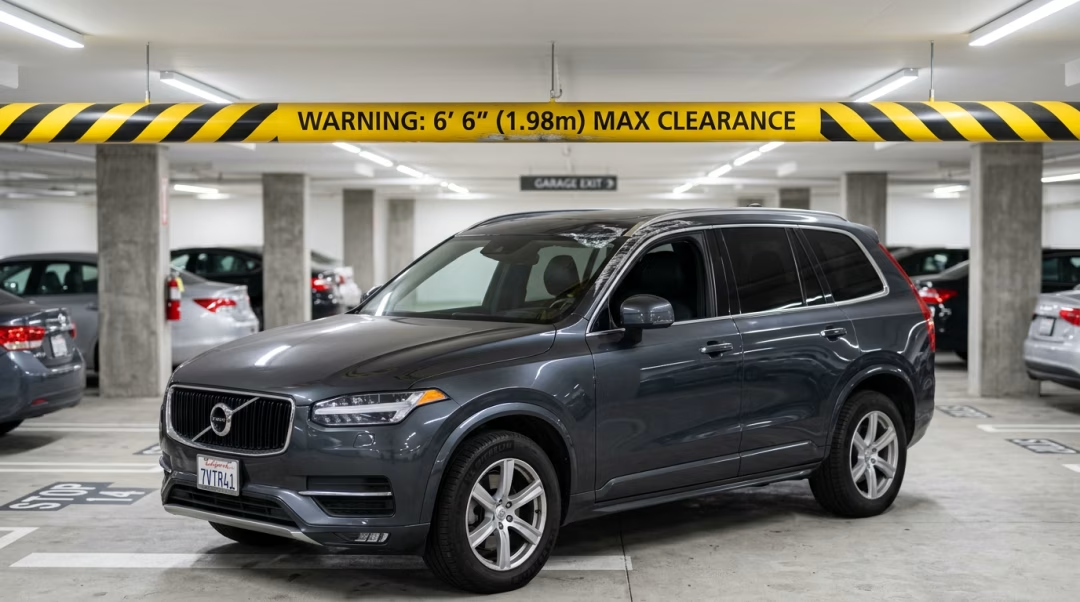
That jarring sound of your vehicle's roof striking a low-hanging beam in a parking garage or a misjudged drive-thru clearance is an unfortunate but common experience. These low-clearance impacts can range from minor cosmetic scuffs to severe structural damage that requires immediate attention. Unlike other collisions, this type of damage is concentrated on the upper portions of the vehicle, an area integral to its overall rigidity and safety. The first step after such an incident is to pull over to a safe location and assess the situation. Document the scene by taking photos of the damage to your car and the obstacle you hit. This documentation will be invaluable when you file an insurance claim.
Identifying the Full Extent of Low Clearance Damage
Damage from a low-clearance impact is often more than skin-deep. While visible scrapes and dents are obvious, a professional technician will look for a wide range of potential issues. It is vital to get a thorough inspection to uncover any hidden problems that could compromise your vehicle's safety and value. Learn more about what to expect during a professional evaluation by reading about what happens during a collision repair estimate.
- Roof Panel Damage: This is the most common issue, ranging from deep scratches that compromise the paint and clear coat to large dents and creases that require specialized repair techniques. In severe cases, the entire roof panel may need replacement.
- Structural Compromise: Your vehicle's roof is supported by A, B, and C pillars that are part of its unibody structure. A strong impact can bend these pillars, affecting door alignment and overall structural integrity. Discover the importance of this by learning what unibody repair is and why it matters.
- Sunroof and Moonroof Damage: If your vehicle is equipped with a sunroof, the glass can shatter, or the tracking mechanism can be bent and twisted, preventing it from opening, closing, or sealing properly. This can lead to significant water intrusion if not addressed correctly.
- Accessory Damage: Roof racks, satellite radio antennas, and luggage carriers are often the first points of contact. They can be torn from the roof, leaving behind holes and damaged mounting points that must be repaired to prevent leaks and rust.
- Water Leaks and Wind Noise: Even minor damage can break factory seals around windshields, rear glass, or sunroofs. This can result in new wind noise at high speeds or, more seriously, water leaks that can damage your interior and lead to mold growth.
The Professional Repair and Restoration Journey
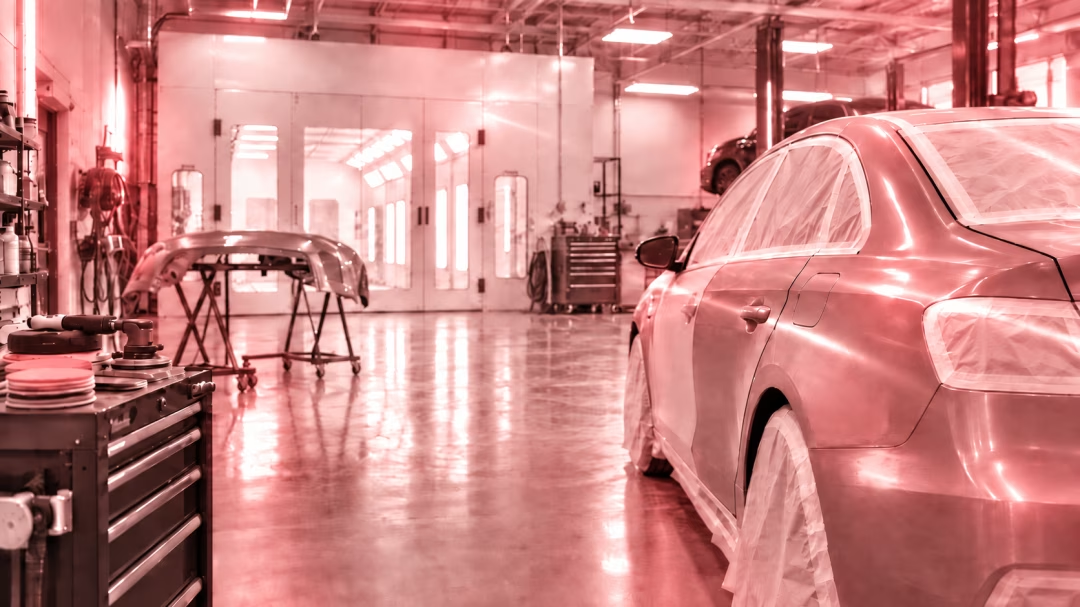
Once your vehicle is at a qualified collision center, the repair process begins. This multi-step journey is designed to return your car to its factory specifications for both safety and appearance. The duration can vary, but you can get an idea of the timeline by exploring our guide on how long collision repair typically takes.
The process starts with a complete teardown of the affected area. Technicians will remove the headliner, interior pillar trim, and any attached accessories to get a clear view of the underlying structure. This allows them to identify any hidden damage that was not visible during the initial estimate. If structural damage to the roof pillars or supports is found, the vehicle will be mounted to a frame machine for precise straightening and alignment.
Next, the body repair work begins. For minor dents, technicians may use paintless dent repair (PDR) to gently massage the metal back into its original shape. For more significant damage, traditional bodywork involving hammers, dollies, and sometimes body filler is required. In cases of severe damage, the entire roof panel is cut out and a new one, often an OEM part, is welded into place. Using original equipment manufacturer parts is crucial, and you can learn more about why OEM parts matter in collision repair.
After the metalwork is complete, the vehicle moves to the paint department. This is a meticulous process involving priming, sanding, sealing, and applying multiple coats of base color and clear coat. Technicians use advanced technology to perfectly match your vehicle's factory paint code, often blending the new paint into adjacent panels for a seamless, undetectable repair. Once the paint is cured, the vehicle is reassembled, and all components, including the headliner, sunroof, and antennas, are reinstalled. A final quality control inspection ensures all work meets the highest standards before the vehicle is detailed and returned to you.
Frequently Asked Questions About Low Clearance Damage Repair
Will my auto insurance cover damage from a parking garage or drive-thru?
In most cases, yes. If you carry collision coverage, damage from hitting a stationary object like a low-clearance beam is typically covered. You will be responsible for your deductible. We recommend you contact your insurance agent to understand your specific policy details and begin the claims process.
Is it safe to continue driving my vehicle with roof damage?
It is generally not recommended. While minor scrapes might seem harmless, any significant denting can compromise the structural integrity of your vehicle's passenger safety cell. Additionally, damaged sunroofs or broken seals can lead to dangerous water leaks affecting electrical systems. It is best to have it professionally inspected immediately.
How is a severely dented vehicle roof panel repaired?
For severe damage, repair is often not feasible or safe. The standard professional procedure involves replacing the entire roof panel. Technicians carefully cut out the old panel and weld a new one in its place, ensuring all structural points are secure before proceeding with paint and finishing work. This restores the vehicle's original strength and safety.
Can a low-clearance impact total my vehicle?
Yes, it is possible. If the cost to repair the roof panel, structural pillars, sunroof assembly, and related components exceeds a certain percentage of the vehicle's actual cash value (known as the total loss threshold), the insurance company may declare it a total loss. You can learn more about what happens if your insurance totals your car.
Will the repair affect my vehicle's resale value?
A poorly executed repair certainly will, as it can lead to issues like mismatched paint, poor panel gaps, or rust. However, a high-quality, professional repair documented with genuine OEM parts helps to protect your vehicle's resale value. A proper repair ensures the vehicle is both cosmetically and structurally sound, preserving its worth. For more information, read about how collision repair protects your vehicle resale value.
