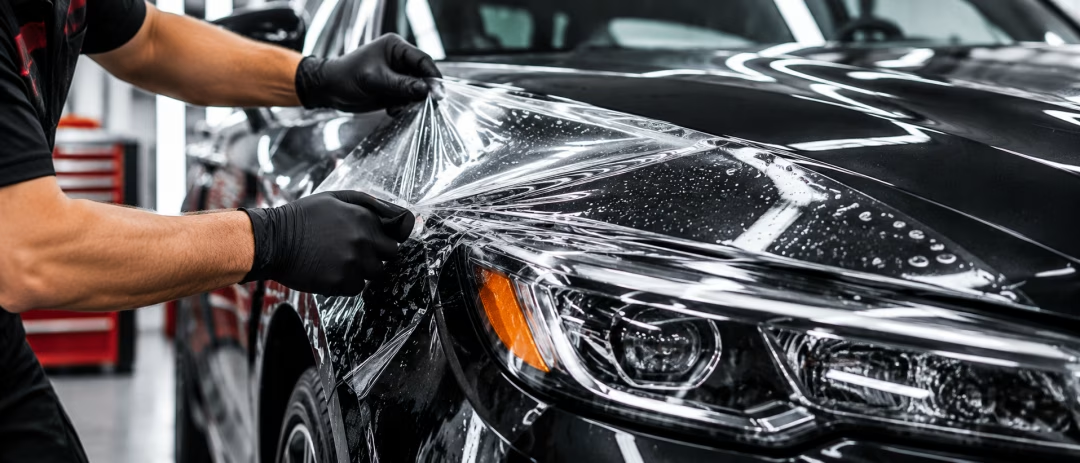
Front-End Protection
The hood, front bumper, and front fenders are commonly exposed to airborne road debris. Film coverage on these panels may help limit minor chips and surface marks from everyday driving.
Florida driving can expose your vehicle's finish to road debris, small stones, bug residue, and everyday wear. Paint protection film (PPF) is a transparent protective layer applied to selected painted surfaces to help reduce the effects of minor abrasions and road-related impacts.
At Rubio Auto Body, we help drivers in Homestead and surrounding South Florida communities explore paint protection film options for their cars, trucks, and SUVs. Serving the area since 1994, our team can discuss coverage areas, the condition of your vehicle's existing paint, and the steps involved in a professional installation.
PPF is a clear, flexible film designed to provide an added barrier over a vehicle's painted exterior. It is commonly applied to areas that encounter frequent road exposure or contact.
Film selection and installation depend on the vehicle, its existing finish, and the coverage you want. Proper surface preparation and precise placement help the film follow the vehicle's contours while maintaining the appearance of the paint beneath it.
PPF coverage can be tailored to the parts of your vehicle you want to protect. The appropriate installation area depends on your driving habits, vehicle design, and preferences.
The hood, front bumper, and front fenders are commonly exposed to airborne road debris. Film coverage on these panels may help limit minor chips and surface marks from everyday driving.
Door edges, mirror housings, rocker panels, and other contact-prone areas can benefit from additional protection against light scuffs and routine wear.
Drivers seeking broader coverage can discuss protection for additional exterior painted panels. The final scope should be based on the vehicle's shape, paint condition, and installation feasibility.
Important: Paint protection film helps reduce certain types of minor surface damage, but it does not make paint scratch-proof or prevent all chips, dents, collision damage, or weather-related deterioration. Existing defects may remain visible beneath the film.
Film installation involves evaluating the surface, preparing the paint, fitting the film, and reviewing the finished application. The exact procedure varies by vehicle and selected coverage.
Inspect the selected panels and identify paint defects or repairs that should be addressed before film is applied.
Clean and prepare the exterior surfaces to reduce contamination that could affect film appearance or adhesion.
Position and apply the film to the agreed-upon areas, working carefully around curves, edges, and panel contours.
Review the coverage, visible finish, and care guidance, including any settling or curing considerations.
Protecting a vehicle's finish starts with understanding its present condition and identifying the areas most likely to experience wear.
Rubio Auto Body has served Homestead and surrounding communities since 1994. Our background in auto body repair, automotive painting, and refinishing helps us evaluate the relationship between the existing finish and potential protective-film coverage.
If your vehicle already has deep scratches, peeling clear coat, or damaged paint, we can help you understand whether paint correction or refinishing should be considered before applying protective film.
Discuss PPF Coverage OptionsAnswers to common questions about protective film, coverage options, existing paint condition, and installation.
PPF can help reduce minor paint chips and surface abrasion from some road debris, light contact, and everyday exposure. It cannot prevent all damage, including deeper scratches, dents, or collision-related damage.
Most conventional PPF is clear and designed to preserve the appearance of the paint underneath. Visibility can vary with film type, installation edges, lighting, vehicle color, and the condition of the underlying finish.
Common coverage areas include the front bumper, hood, fenders, mirrors, door edges, and rocker panels. The right combination depends on where you drive, how you use your vehicle, and the level of coverage you prefer.
Film generally does not conceal deep scratches, chipped paint, peeling clear coat, or other underlying defects. Some surfaces may need paint correction or refinishing before installation. An inspection helps determine the appropriate preparation.
Installation time varies with the number of panels, their complexity, and preparation needs. Film lifespan depends on the product, environmental exposure, maintenance, and installation conditions. Ask about the specific film and care guidance when reviewing your quote.
Pricing depends on vehicle size, panel complexity, coverage area, film selection, and required surface preparation. For a quote tailored to your vehicle, submit a paint protection film request or call Rubio Auto Body at 305-777-9490.
Whether you're considering front-end coverage or protection for additional painted panels, contact Rubio Auto Body to discuss your vehicle, coverage priorities, and next steps.
Request Your Paint Protection Film Quote Prefer to call? 305-777-9490 | Serving Homestead since 1994