
When your vehicle needs a repair, one of the most significant decisions you will face is the choice between Original Equipment Manufacturer (OEM) and aftermarket parts. Understanding what to expect when repairing a vehicle with aftermarket parts is crucial for any car owner. These components are produced by companies other than the original car manufacturer and offer a compelling alternative, primarily due to their lower cost. However, the world of aftermarket parts is vast and varied, with quality ranging from exceptional to substandard. Making an informed choice involves balancing budget considerations with the long-term health, safety, and performance of your car. A successful repair using these parts hinges on knowing which brands are reputable and relying on a skilled technician for installation. This knowledge empowers you to ask the right questions and ensure your vehicle receives the quality components it deserves without paying a premium for a manufacturer's logo.
Opting for aftermarket parts can be a smart, cost-effective strategy for vehicle maintenance and repair. The key is to approach the process with awareness. While they provide significant savings and wider availability, not all aftermarket components are created equal. Partnering with a trusted vehicle service center that sources high-quality, certified parts is the best way to guarantee a successful repair. This ensures proper fitment, reliable performance, and peace of mind, allowing you to enjoy the financial benefits without compromising your vehicle’s integrity or safety.
A Comprehensive Guide to Aftermarket Part Repairs
Navigating the world of auto repair can feel complex, especially when the conversation turns to parts. The terms "OEM" and "aftermarket" are frequently used, but the differences between them have significant implications for your vehicle's performance, safety, and your wallet. Understanding what aftermarket parts are and the role they play is the first step toward making confident decisions about your car's care.
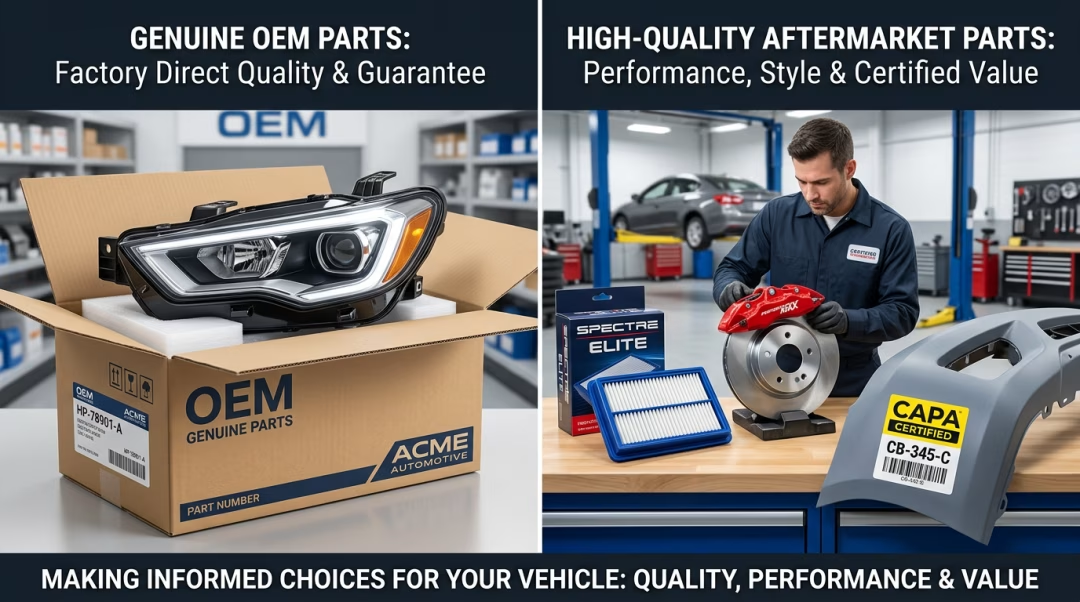
Aftermarket parts are simply any parts for a vehicle that are not sourced from the car's original maker. If the components are not sold under the automaker's brand (like Ford, Toyota, or Honda), they are considered aftermarket. These parts are produced by a wide range of companies and are designed to function as replacements for the original components. The aftermarket industry is a massive, competitive marketplace that offers consumers an incredible amount of choice when it comes to repairing and maintaining their vehicles, from brake pads and filters to body panels and exhaust systems.
The Advantages of Choosing Aftermarket Parts
The primary reason most drivers consider aftermarket parts is the potential for significant cost savings. Without the overhead of a major car brand, these manufacturers can often produce and sell parts for a fraction of the price of their OEM counterparts. However, the benefits extend beyond just the price tag.
- Greater Availability: For both new and older models, aftermarket parts are often more readily available. You can find them at local auto parts stores, mechanic shops, and online, whereas OEM parts may need to be ordered directly from a dealership, sometimes causing delays.
- Vast Selection: The competitive nature of the aftermarket industry means there is an enormous variety of parts to choose from. Multiple companies may produce the same part, giving you a choice in terms of price, quality, and even performance characteristics.
- Potential for Higher Quality: It's a common misconception that all aftermarket parts are inferior. In some cases, aftermarket companies reverse-engineer OEM parts and improve upon their weaknesses. This can result in a replacement part that is more durable or performs better than the one that originally came with your vehicle.
Understanding the Potential Risks and Downsides
While the benefits are compelling, it is equally important to be aware of the potential drawbacks associated with aftermarket parts. The sheer volume of choices can be overwhelming, and quality can be inconsistent.
- Inconsistent Quality: This is the biggest risk. The quality can range from excellent to dangerously poor. A low-quality part might fail prematurely, perform poorly, or even cause damage to other components of your vehicle.
- Improper Fitment: Unlike OEM parts, which are designed to fit your vehicle's exact specifications, some aftermarket parts may not fit perfectly. This can lead to installation headaches and issues like vibration, noise, or premature wear. Poorly fitting body panels are a classic example, often leading to unsightly panel gaps you can learn about in our post on what causes panel gaps after a poor repair job.
- Warranty Complications: While using aftermarket parts will not automatically void your vehicle's warranty (thanks to the Magnuson-Moss Warranty Act), if an aftermarket part fails and causes damage to another component covered by the warranty, the manufacturer may deny coverage for that specific repair.
How to Select the Best Aftermarket Parts for Your Repair
The key to a successful repair with aftermarket parts is selection. Making a smart choice mitigates the risks and allows you to capitalize on the benefits. The best approach is to partner with a professional you trust. An experienced mechanic or a reputable repair facility will have the knowledge to distinguish between high-quality brands and those to avoid. They build relationships with suppliers and know which parts have a proven track record of reliability and proper fitment.
When choosing a shop, it is important to ask questions. Inquire about the types of parts they use and the warranties they offer on both the parts and their labor. A trustworthy shop will be transparent about their sourcing. If you are interested in learning more, you can read our guide on how to choose a collision repair shop in Crittenden KY.
You can also look for parts that are certified by independent bodies. The Certified Automotive Parts Association (CAPA) is one of the most well-known. CAPA certification indicates that an aftermarket part has been tested and confirmed to fit, perform, and last like the original OEM part. This is especially important for collision repair components, as using quality parts is essential to restore vehicle safety systems correctly after an accident.
Impact on Your Vehicle's Value and Safety
The parts used in repairs can have a direct impact on your vehicle's long-term value. Using high-quality, certified aftermarket parts or OEM parts helps maintain the integrity of your car and will be viewed favorably upon resale. Conversely, a history of repairs with cheap, ill-fitting parts can significantly lower its value. An inspector or savvy buyer can often spot poor-quality repairs, which can raise red flags about the vehicle's overall condition. Protecting your investment is one reason why understanding how collision repair protects your vehicle resale value is so important.
Ultimately, the choice between aftermarket and OEM parts is not always black and white. For many routine maintenance items like filters, wipers, and brake pads, high-quality aftermarket options provide excellent value. For complex electronic components or critical collision repairs, the precision of an OEM part might be the better choice. By working with professionals and doing your own research, you can make the best decision for your specific repair, your budget, and your vehicle. If you have more questions, do not hesitate to contact us or browse our current inventory for your next vehicle.
Will using aftermarket parts void my car's warranty?
No, using aftermarket parts will not automatically void your vehicle's warranty. The Magnuson-Moss Warranty Act protects consumers from this. However, if an aftermarket part fails and directly causes damage to another component that is covered under warranty, the manufacturer can legally deny the warranty claim for that specific repair. The burden of proof is on the manufacturer to show that the aftermarket part was the cause of the failure.
Are aftermarket parts as safe as OEM parts?
The safety of aftermarket parts depends entirely on their quality. High-quality, certified aftermarket parts from reputable manufacturers are designed and tested to meet or exceed OEM safety standards. However, low-quality, uncertified parts may not perform correctly in critical situations, such as a collision, potentially compromising safety systems. This is why it is crucial to source parts from trusted suppliers and professional installers.
How can I tell if a repair shop is using quality aftermarket parts?
A reputable repair shop will be transparent about the parts they use. You can ask them which brands they prefer and why. Look for shops that use parts from well-known, established manufacturers or those that are certified by organizations like CAPA. A shop that offers a solid warranty on both the parts they install and their labor is also a good sign they stand behind the quality of their work.
Can aftermarket parts be better than original parts?
Yes, in some instances, an aftermarket part can be superior to its OEM equivalent. Aftermarket manufacturers can analyze original parts to identify weaknesses in design or materials. They can then engineer a new part that improves upon the original, offering enhanced durability, better performance, or superior materials. This is particularly common in the performance and enthusiast automotive communities.
Do insurance companies require the use of aftermarket parts for repairs?
Many insurance policies allow for the use of aftermarket parts to help control repair costs. They may specify the use of "like kind and quality" (LKQ) parts, which can include aftermarket, recycled, or remanufactured components. While you can often request OEM parts, your insurance company may require you to pay the price difference. It is important to review your specific policy to understand what is covered.
