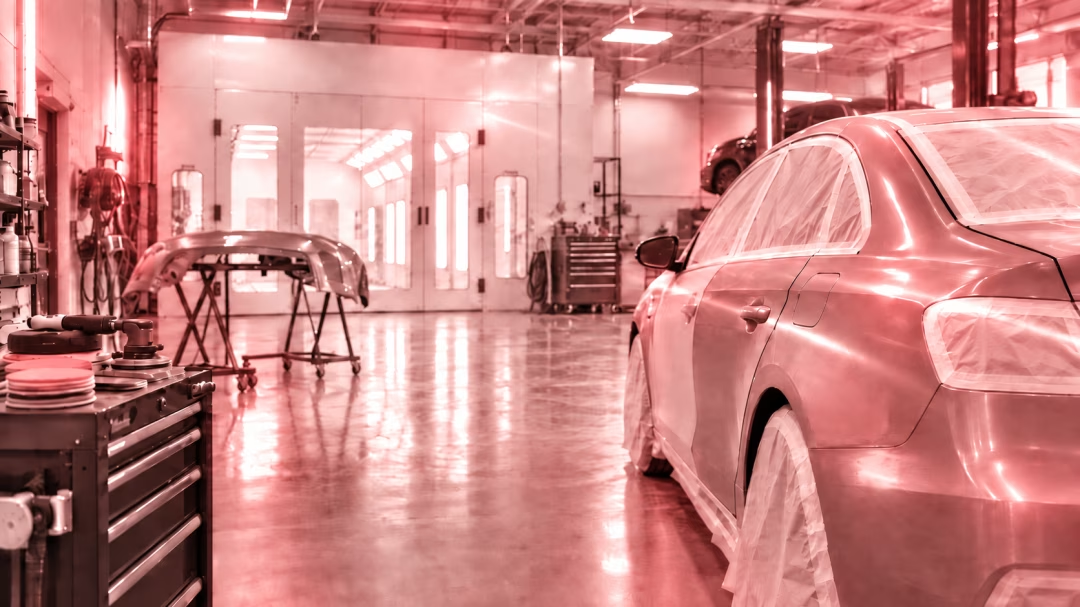
Getting into an accident is stressful enough, but the repair process does not have to be. A crucial first step toward a seamless repair is the estimate appointment. Taking a few simple measures to prepare your car beforehand can make a significant difference in the accuracy and efficiency of the assessment. When a vehicle is clean and free of clutter, our estimators can more easily identify all the damage, from major dents to subtle scratches and misalignments that might otherwise be missed. This comprehensive initial inspection helps us create a more precise repair plan from the start, which can speed up the entire process, including approvals from your insurance provider. A little preparation on your part ensures we can give you the most thorough and accurate estimate possible, setting the stage for a high-quality repair that restores your vehicle to its pre-accident condition.
By following a straightforward preparation checklist, you empower our team to work more effectively on your behalf. A clean vehicle and organized paperwork allow our estimators to focus entirely on assessing the damage and formulating a precise plan. This not only expedites the estimate but also minimizes the chance of discovering supplemental damage later on, which can cause delays. Your cooperation helps streamline the auto body insurance claims process, ensuring a smoother journey from initial assessment to final vehicle pickup.
A Comprehensive Guide to Preparing for Your Estimate
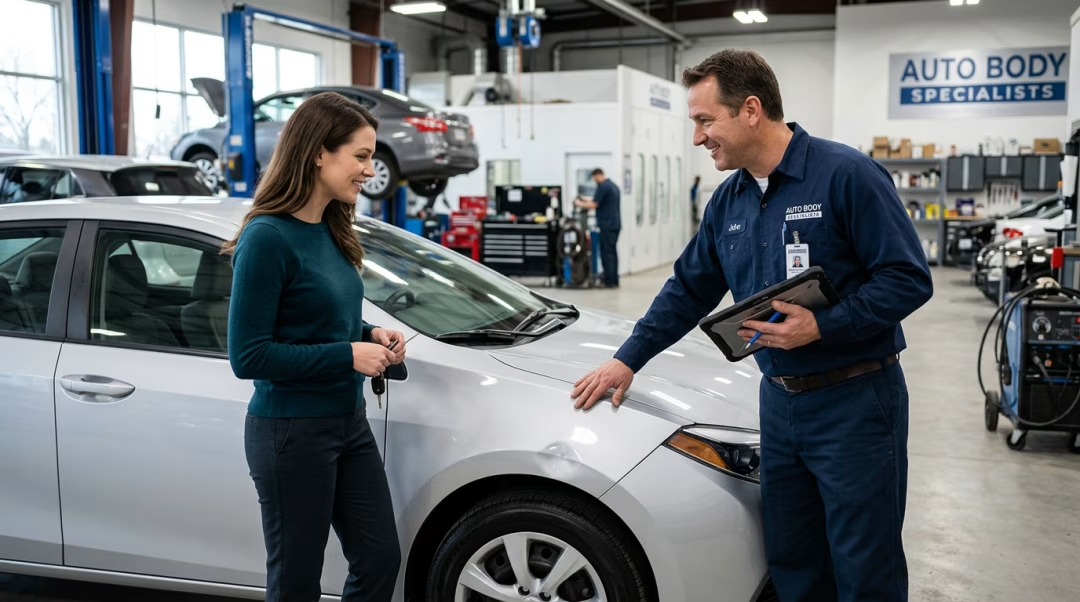
When you arrive for your estimate, our goal is to provide a complete and accurate picture of the necessary repairs. The thoroughness of this initial assessment directly impacts the speed of insurance approvals and the quality of the final work. Here is a detailed breakdown of the steps you can take to ensure the process is as smooth as possible.
Step 1: Clean Your Vehicle Thoroughly
One of the most important things you can do is wash your vehicle's exterior before your appointment. A layer of dirt, dust, or road grime can easily conceal subtle but significant damage. This includes:
- Fine scratches in the paint or clear coat.
- Hairline cracks in bumpers, grilles, or light lenses.
- Small dents or dings that are only visible on a clean, reflective surface.
- Paint chips that could indicate the severity of an impact.
Failing to see this kind of damage upfront can lead to a supplemental claim later, delaying your repair. A simple car wash allows our technicians to see the true state of your vehicle's body panels and paint. Do not forget to clean the interior as well. A tidy cabin and an empty trunk allow for a full inspection of interior panels, floor pans, and trunk components, which can be damaged even in a minor collision. For more information on paint care, you might be interested in learning how to care for a fresh paint job after repair.
Step 2: Remove All Personal Belongings
Before you arrive, please remove all personal items from your vehicle. This includes the cabin, glove compartment, center console, and trunk. There are two primary reasons for this. First, auto body shops are not liable for lost or damaged personal property. Securing your valuables beforehand gives you peace of mind. Second, and more importantly for the estimate, clutter can physically obstruct the estimator's view and access. Items in the trunk can prevent an inspection of the trunk floor and rear body panel for damage, while belongings on seats or floors can hide interior panel damage or prevent access to check electronic components housed within the dash or doors. Removing items like child car seats is also essential, as they can hide damage to the seat structure or upholstery.
Step 3: Gather Your Documentation
Having the right paperwork on hand will dramatically speed up the check-in and estimate process. Create a folder with the following essential documents:
- Insurance Information: Your insurance card, the policy number, and most importantly, the claim number provided by your insurer.
- Contact Information for the Adjuster: If you have been assigned a specific claims adjuster, have their name, phone number, and email address ready.
- Vehicle Registration: This confirms the Vehicle Identification Number (VIN) and ownership.
- Photos or Videos: If you took pictures of the accident scene and the initial damage, bring them along. They can provide valuable context for the estimator.
This information allows us to communicate directly with your insurance company, submit the estimate for approval, and answer any questions they might have without delay. Understanding what happens during a collision repair estimate can also help you feel more prepared for the appointment itself.
Step 4: Avoid Making Any DIY Repairs
It can be tempting to try a quick fix, like using a suction cup to pull out a dent or applying touch-up paint to a scratch. However, you should avoid any do-it-yourself repairs before getting a professional estimate. These attempts can often make the situation worse. A DIY dent pull can stretch the metal or crack the paint, turning a simple repair into a more complex one. Applying touch-up paint can hide the true depth of a scratch and make it harder for our technicians to perform a proper, blended repair. It is always best to let our trained professionals assess the damage in its original state to determine the correct and safest repair method. Incorrect repairs can even hide signs your vehicle needs structural frame repair, which is a critical safety concern.
Frequently Asked Questions
Do I really need to wash my car if the damage is obvious?
Yes, absolutely. While the primary damage might be easy to see, a clean surface allows our estimators to spot smaller, secondary damage like paint scuffs, small cracks, or minor dents on adjacent panels that occurred during the impact. Identifying all damage upfront leads to a more accurate initial estimate and prevents delays from supplemental claims later.
Should I remove my child's car seat before the estimate?
Yes, it is very important to remove child car seats. This allows the estimator to fully inspect the vehicle's seat, seatbelts, and attachment points for any stress or damage. Additionally, many car seat manufacturers recommend replacing a seat that has been in a moderate to severe crash, so it is something you will need to discuss with your insurance provider.
What if I do not have a claim number from my insurance company yet?
You can still come in for an initial estimate. We can assess the damage and provide you with a detailed report that you can then use to file your claim. Once you have a claim number, you can provide it to us, and we can send the estimate directly to your insurance company to begin the approval process.
How long does a typical estimate appointment take?
A standard visual estimate appointment usually takes between 20 to 30 minutes. During this time, our estimator will inspect the vehicle, take photos of the damage, and begin writing the preliminary repair plan. The duration can vary slightly depending on the extent of the damage.
Will the initial estimate be the final price for the repair?
The initial estimate is a preliminary assessment based on visible damage. It is possible that once we begin the repair and disassemble the damaged area, we may find hidden damage. If this occurs, we create a supplement report, document the additional damage with photos, and submit it to your insurance company for approval before proceeding with any further repairs. We maintain clear communication with you throughout this process.
