
Life in the countryside offers scenic drives, but those charming rural roads can be tough on your vehicle. Unlike smooth city pavement, country lanes often feature gravel, potholes, and uneven surfaces that constantly assault your car's exterior and undercarriage. Every loose stone kicked up by your tires acts like a tiny projectile, leading to a collection of paint chips, dings, and even cracked windshields over time. Deeper ruts and unexpected potholes can cause more significant issues, from scraped bumpers and dented oil pans to misaligned wheels. This slow accumulation of wear and tear not only affects your vehicle's appearance but can also lead to more serious problems like rust and mechanical failure. Understanding these risks is the first step in protecting your investment and making an informed choice when looking at our inventory of pre-owned vehicles.
The damage from rural driving extends beyond cosmetic blemishes. Small paint chips can expose the metal underneath, inviting moisture and road salts to start the process of corrosion. This can lead to significant rust on body panels and the vehicle's frame, compromising its structural integrity and drastically reducing its resale value. That is why our team meticulously inspects every vehicle, paying close attention to signs of premature wear caused by harsh road conditions. We believe in transparency and want you to drive away with confidence. Learn more about us and our commitment to quality.
The Primary Culprits of Rural Road Wear and Tear
While a drive through the country can be relaxing, the roads themselves are often working against your vehicle's condition. The combination of materials, lack of regular maintenance, and environmental factors creates a perfect storm for premature aging and damage. Identifying these specific hazards is key to understanding the kind of wear a vehicle might have sustained.
Gravel, Dirt, and Loose Stones
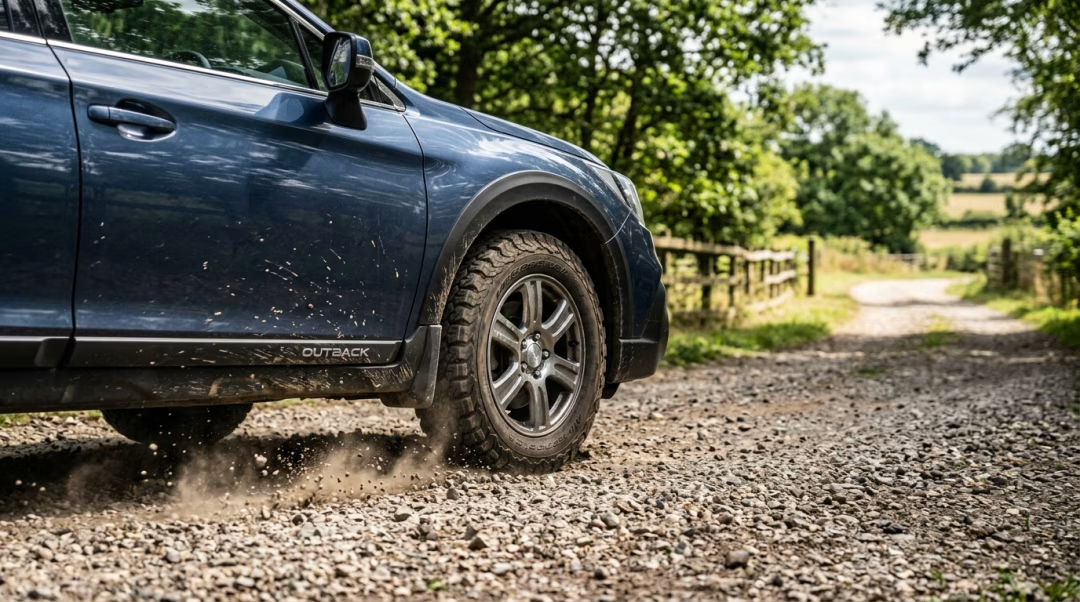
Gravel roads are perhaps the most notorious source of vehicle body damage. The constant spray of small, sharp stones kicked up by your tires, as well as those from oncoming traffic, has a sandblasting effect on your car's finish. This primarily affects the lower portions of the vehicle, including the front bumper, rocker panels, and the area behind the wheel wells. Each impact creates a micro-chip in the paint and clear coat. While one chip is minor, hundreds of them over thousands of miles can dull the finish and create countless entry points for moisture, which can eventually lead to rust. This is why learning how scratches and chips are repaired before repainting is crucial for maintaining vehicle integrity.
Potholes and Uneven Pavement
Potholes are not just an annoyance; they are a direct threat to your vehicle's structural and mechanical health. A hard impact can do more than just startle you. It can bend a wheel rim, cause a tire blowout, or knock your vehicle's alignment out of specification. A severe enough hit can even damage suspension components like shocks, struts, and control arms. In the worst-case scenario, repeated, hard impacts can contribute to structural fatigue or even cause direct damage to the vehicle's frame or unibody. These are serious issues, and it is important to recognize the signs your vehicle needs structural frame repair after such an event.
Mud, Moisture, and Road Treatments
Rural roads often lack proper drainage, leading to standing water and muddy conditions. This mud and moisture gets splashed up into the undercarriage, wheel wells, and inside body panels, where it can sit for days or weeks. Trapped, damp soil is a catalyst for corrosion. It holds moisture directly against the metal surfaces of your vehicle, accelerating the formation of rust. In winter, this problem is compounded by road salt and de-icing chemicals used to keep roads safe. These corrosive materials mix with mud and snow, creating a destructive slurry that aggressively attacks your car's chassis and body. Understanding what causes body panels to rust after minor damage highlights why prompt cleaning is so important.
A Closer Look at the Types of Damage Incurred
The damage from rural roads can be categorized into several distinct types, ranging from cosmetic annoyances to safety-critical failures. When evaluating a used vehicle that has spent significant time outside the city, it is important to inspect for these specific problems.
- Paint and Exterior Panel Damage: This is the most visible type of wear. Look for "road rash," a pattern of numerous small chips along the front bumper, hood, and rocker panels. Check for long, thin scratches along the sides of the vehicle, often caused by overgrown brush or tree branches encroaching on narrow lanes. These imperfections can significantly impact the vehicle's resale value and require professional attention to fix properly.
- Undercarriage Damage: This is less visible but often more serious. Get a good look underneath the car for dents, scrapes, or punctures on the exhaust system, oil pan, fuel tank, and frame rails. Damage here can lead to dangerous leaks or compromise structural integrity. Surface rust is common, but look for deep, flaking rust that indicates a more advanced problem.
- Wheel, Tire, and Suspension Issues: Closely inspect the wheels for bends, cracks, or curb rash from hitting the edge of a pothole. Check the tires for unusual wear patterns, which can indicate an alignment problem caused by rough roads. Listen for clunking or squeaking noises when driving over bumps, as this can signal worn-out suspension components. A vehicle's alignment can be severely affected, leading to poor handling and premature tire wear, so understanding what causes alignment issues is beneficial.
- Windshield and Glass Damage: Gravel doesn't just target paint. A stone thrown by a passing truck can easily chip or crack a windshield. Inspect all glass surfaces carefully for small pits and chips that could potentially spread into larger cracks over time, requiring a full replacement.
Making an Informed Decision on a Pre-Owned Vehicle
When you are browsing our inventory, you can be assured that we have already done the hard work of inspecting for these issues. However, knowledge is power, and knowing what to look for can give you extra peace of mind. Before purchasing any used vehicle, especially one that may have a history of rural driving, perform a thorough walk-around. Pay special attention to the lower body panels, look underneath with a flashlight, and check the condition of the wheels and tires. By understanding how rural roads contribute to vehicle damage, you become a more savvy buyer, capable of spotting a well-maintained vehicle versus one that has had a hard life. If you have a vehicle that has sustained this type of damage, you can value my trade to see how its condition affects its worth.
Frequently Asked Questions
What is the most common vehicle damage caused by gravel roads?
The most common type of damage from gravel roads is "road rash" on the vehicle's paint. This refers to the thousands of tiny chips and pits created by loose stones hitting the front bumper, hood, rocker panels, and lower doors. Over time, this can wear away the clear coat and paint, exposing the metal to the elements and increasing the risk of rust.
Can a deep pothole really cause structural damage to my car?
Yes, a severe pothole impact can potentially cause structural damage. While it is more likely to damage a wheel, tire, or suspension component, a sufficiently hard and fast impact can bend or crack a control arm mount, damage a subframe, or even affect the unibody structure itself. It is crucial to have a vehicle inspected after a major pothole collision.
How can I protect my vehicle’s undercarriage from rust when driving on rural roads?
The best way to protect your undercarriage is through regular cleaning. After driving on muddy or treated winter roads, use a high-pressure washer to rinse the entire underbody, paying close attention to wheel wells and frame crevices. Additionally, consider having a professional undercoating or rust-proofing treatment applied for an extra layer of protection against moisture and corrosives.
Are trucks and SUVs naturally better equipped to handle rural road conditions?
Generally, yes. Trucks and SUVs often have higher ground clearance, more robust suspension systems, and larger tires, which makes them more resilient to potholes and uneven surfaces. However, they are not immune to damage. Their paint and underbodies are just as susceptible to chipping and corrosion from gravel and mud, so they still require proper care and inspection.
What are the first signs of suspension damage from driving on uneven roads?
Early signs of suspension damage include a bouncy or excessively rough ride, clunking or squeaking sounds when going over bumps, and the vehicle pulling to one side while driving. You might also notice uneven tire wear, where one part of the tire tread is wearing down faster than the rest. If you notice any of these symptoms, a suspension inspection is recommended.
