The Hidden Danger of Water Intrusion After an Accident
When your vehicle is involved in a collision, the visible damage like dents and scratches is only part of the story. The force of an impact can subtly compromise factory seals, warp body panels, or create tiny cracks that become gateways for water. This water intrusion is a silent threat that can lead to extensive long-term problems, including mold growth, mildew odors, rust formation on structural components, and catastrophic electrical system failures. A professional auto body shop understands that a quality repair goes beyond aesthetics. That is why a meticulous water intrusion inspection is a critical step in the post-collision repair process. Technicians use specialized tools and proven methods to proactively find and seal any potential leaks, ensuring your vehicle is not only visually restored but also protected from the elements and future costly damage. This thoroughness is essential to protect your investment and ensure your safety.
Why a Professional Inspection is Non-Negotiable
Trusting a certified collision center to perform a detailed water leak test is crucial for your vehicle's health and longevity. These professionals do not just guess; they employ a systematic approach to simulate various weather conditions and stress-test every potential entry point. Understanding the techniques they use, from pressurized water systems to advanced ultrasonic detectors, empowers you as a vehicle owner. It helps you recognize the difference between a superficial fix and a comprehensive, lasting repair that truly restores your car's integrity and protects its resale value.
A Deep Dive into Professional Water Leak Detection Techniques
After an accident, the focus is often on restoring the vehicle's appearance and structural integrity. However, an equally important aspect of a quality collision repair is ensuring the vehicle is completely sealed from the elements. Water is relentless; even the smallest breach in a seal or seam can allow moisture to seep into the cabin, trunk, or within body panels. Over time, this moisture leads to serious issues that may not be immediately apparent. A top-tier auto body shop follows a multi-step process to hunt down and eliminate these elusive leaks. This process is far more involved than a simple car wash and requires a combination of experience, attention to detail, and specialized equipment to guarantee a watertight result.
The Initial Diagnostic Phase: Visual and Sensory Inspection
The inspection begins before any complex tools are used. A trained technician starts with a thorough visual and sensory check of the vehicle's interior. They are looking for telltale signs of moisture that an untrained eye might miss. This includes checking for dampness in the carpets, floor mats, and headliner, especially around the areas closest to the collision damage. They may feel for moisture under the seats and in the trunk's spare tire well, a common collection point for water. Condensation on the inside of windows, especially when the car has been closed for a while, is another major red flag. Finally, the technician will rely on their sense of smell. A persistent musty or mildew odor is a near-certain indicator that water has been present long enough to promote organic growth, pointing to a pre-existing or accident-related leak that must be addressed.
Exposing Hidden Damage: The Importance of Disassembly
Water is adept at traveling along hidden channels and soaking into materials far from the initial entry point. To properly diagnose the source of a leak, technicians often need to perform a partial disassembly of the vehicle's interior. This might involve removing interior trim panels, pillar covers, door panels, seats, and even the carpet and underlying sound-deadening material. While this may seem invasive, it is the only way to gain clear access to the vehicle's metal floor pan, body seams, and firewall. This step allows the technician to trace water stains back to their origin and inspect welds and seals that are otherwise completely concealed. Trying to find a leak without this crucial step can lead to guesswork and incomplete repairs, which is why a proper diagnosis of what hidden damage looks like after a minor accident is so critical.
Advanced Methods for Pinpointing Leaks
Once the vehicle is prepped, professionals use several advanced methods to find the exact point of water entry. These techniques are designed to be definitive and repeatable, leaving no doubt as to where the breach is located.
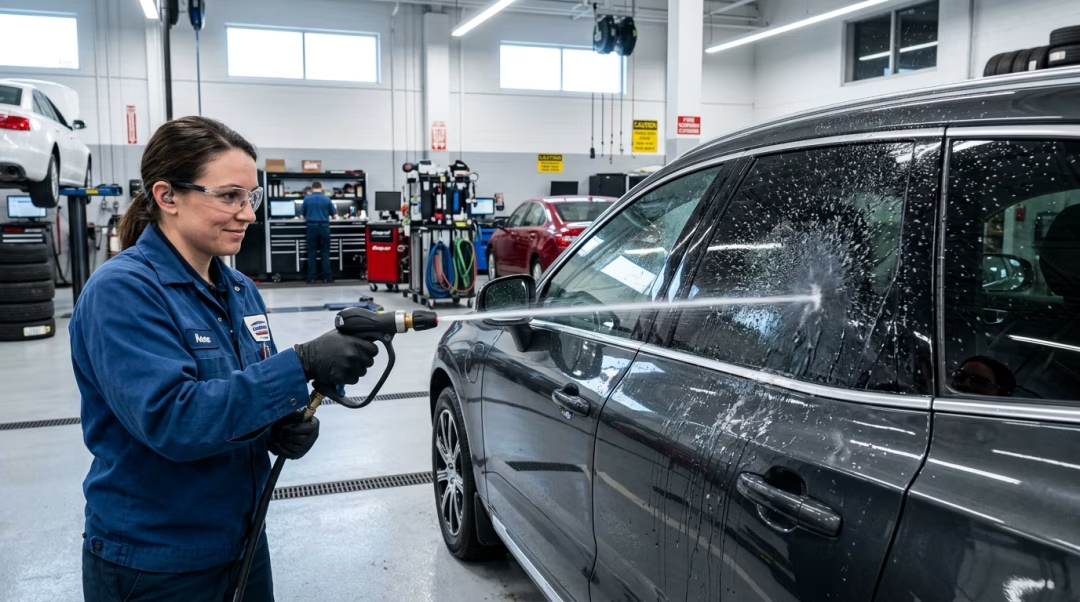
- Pressurized Water Testing: This is the most common and effective method. A technician will have a colleague inside the vehicle with a bright light, looking for drips, while they use a hose with a specific nozzle to direct a controlled, high-pressure stream of water at isolated sections of the car. They methodically test windshield seals, door gaskets, sunroof drains, trunk seals, and any areas where body panels were repaired or replaced. This targeted approach simulates driving through a torrential downpour and quickly reveals faults in seals and seams.
- Smoke Machine Diagnostics: For very small or hard-to-find leaks, a smoke machine is an invaluable tool. The machine fills the vehicle's cabin with a dense, non-toxic, and easily visible vapor. The car's ventilation system is turned off, and the cabin is slightly pressurized. The technician then carefully observes the exterior of the vehicle, looking for faint wisps of smoke escaping through compromised weather stripping, a poor windshield seal, or a tiny crack in a body seam. This method is exceptionally good at finding air and water leaks simultaneously.
- Ultrasonic Leak Detection: This high-tech solution is often used for verifying the integrity of windshield and rear window seals. An ultrasonic transmitter is placed inside the vehicle, emitting a sound frequency that is inaudible to the human ear. A technician then uses a specialized receiver or "listener" on the outside of the vehicle. The receiver can detect the ultrasonic sound as it "leaks" through any gaps in the urethane adhesive seal, pinpointing the exact location of the breach with incredible accuracy.
The Final Steps: Sealing and Verification
Once the source of the leak is identified, the repair can begin. This may involve replacing a damaged gasket, applying high-grade automotive seam sealer to a body panel joint, or in some cases, removing and professionally reinstalling a windshield. After the repair is complete, the job is not finished. A reputable shop will always perform a verification test. They will repeat the water test on the repaired area to confirm that the intrusion has been completely stopped. This commitment to quality control is a key part of any post-repair inspection and ensures the problem is solved correctly the first time, protecting your vehicle and providing you with total peace of mind.
Can a small dent cause a water leak?
Absolutely. Even a minor dent in a critical area like a door frame, roofline, or quarter panel can be enough to deform a seal or break the bond of a seam sealer. This creates a small but persistent path for water to enter the vehicle, often going unnoticed until significant moisture-related issues arise.
How long does a water intrusion inspection take?
The duration varies depending on the complexity of the leak. A simple, obvious leak might be found in an hour or two. However, a more elusive leak that requires significant interior disassembly and multiple testing methods can take several hours or even a full day to properly diagnose and confirm.
Is water damage from a collision covered by insurance?
In most cases, yes. If the water intrusion is a direct result of damage sustained in a covered accident, the cost of the inspection, repair of the leak, and remediation of any resulting damage (like replacing a soaked carpet or drying out electronics) should be included as part of the overall insurance claim.
What does a musty smell in my car mean after a repair?
A musty or mildew-like smell after a collision repair is a serious red flag. It strongly indicates that moisture is trapped somewhere inside the vehicle and mold or mildew has begun to grow. You should return to the repair shop immediately to have them perform a water intrusion inspection.
Can I find a major water leak myself at home?
While you might be able to spot an obvious leak, like a torn door seal, finding a hidden leak is very difficult without professional tools. Body shops use pressurized water, smoke machines, and ultrasonic equipment to find leaks that a simple garden hose test would likely miss. For a definitive diagnosis, professional help is recommended.
