Experiencing a fender bender in Kentucky can be a jarring and stressful event, even when the damage seems minor. The moments immediately following a collision are critical, and knowing the right steps to take can protect your safety, your legal rights, and your financial interests. The adrenaline and confusion can make it difficult to think clearly, which is why having a plan is so important. This guide provides a clear, step-by-step checklist for Kentucky drivers to follow after a minor car accident. From securing the scene and gathering essential information to understanding your next steps with insurance and vehicle assessments, we will walk you through the process. Following these procedures helps ensure everyone is safe, all legal requirements are met, and you have the proper documentation needed to handle what comes next, whether it is a simple repair or a decision to find your next reliable vehicle.
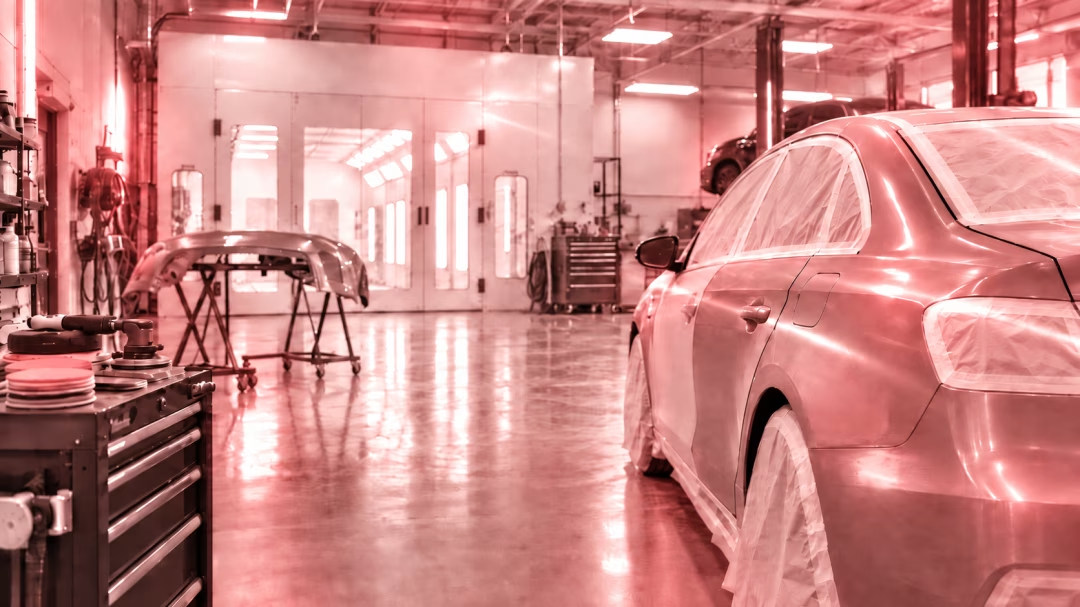
Once the immediate aftermath of the fender bender is handled, your focus will shift to your vehicle. You will need to get an estimate for the damages and decide the best course of action. This is an opportune moment to evaluate your current car's overall condition and value. Sometimes, the cost of repairs can be surprisingly high, even for what appears to be minor damage. You may find that it makes more financial sense to explore trading in your vehicle and upgrading to a newer, more reliable car from our extensive inventory.
Your Detailed Kentucky Fender Bender Checklist: At the Scene
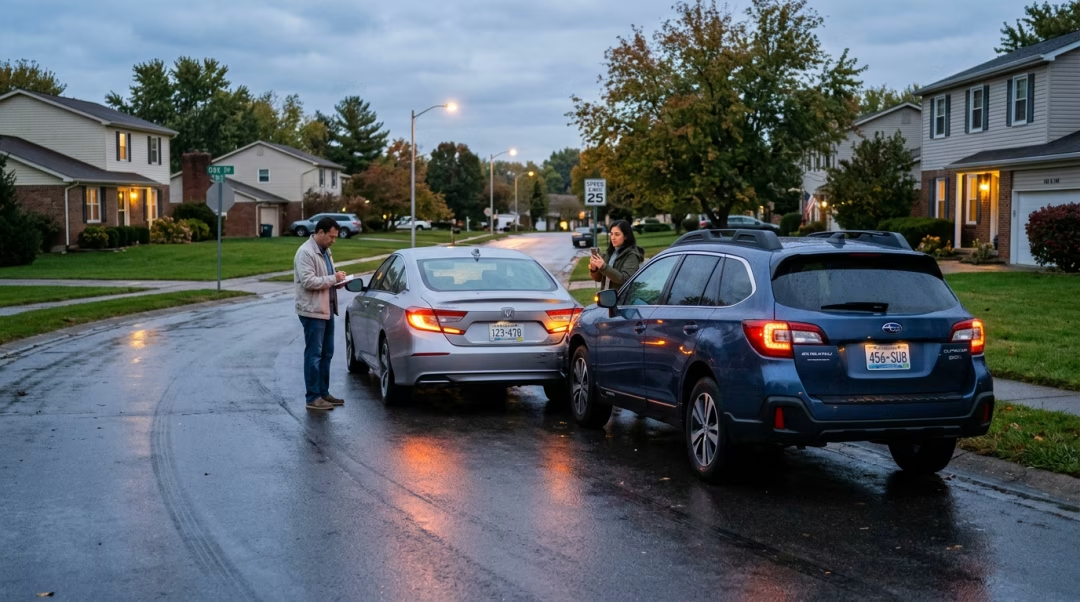
The actions you take directly at the scene of a fender bender are foundational for everything that follows. Staying calm and methodical is your best strategy. Prioritize safety above all else, then shift your focus to documentation. Never leave the scene of an accident, no matter how insignificant it seems, until you have completed these essential steps.
- Prioritize Safety: First, check yourself and your passengers for any injuries. If anyone is hurt, call 911 immediately. Even if injuries seem minor, it is always best to seek medical attention. If your vehicles are in a hazardous position, such as in the middle of a busy road, and are safe to drive, move them to the shoulder or a nearby parking lot. Turn on your hazard lights to alert other drivers.
- Contact Law Enforcement: In Kentucky, it is always a good idea to call the police, even for a minor fender bender. A police report is an official, unbiased account of the incident that can be invaluable for insurance claims. The responding officer will document the scene, gather statements, and facilitate the exchange of information, creating a crucial piece of evidence.
- Exchange Information Methodically: While waiting for the police, calmly exchange information with the other driver. Do not discuss fault or apologize for the accident. Stick to the facts. You will need to collect the following:
- Full Name and Contact Information (address, phone number, email)
- Driver's License Number
- Insurance Company and Policy Number
- Vehicle Information (make, model, year, color, license plate number)
- Document Everything: Your smartphone is your most powerful tool at this moment. Take photos and videos from multiple angles, capturing the damage to both vehicles. Get wide shots to show the position of the cars, traffic signs, and overall road conditions. Take close-up photos of the specific points of impact. Also, document any skid marks, debris, and the weather conditions. If there are witnesses, politely ask for their names and contact information. Their account could be very helpful later.
After You Have Left the Scene: What Comes Next
The process is not over once you drive away. The steps you take in the hours and days following the fender bender are just as important for a smooth resolution. This is when you will officially report the incident and begin the process of assessing your vehicle's future.
Your first call should be to your insurance agent or company to report the accident. Do this as soon as possible, even if you do not plan to file a claim. Your policy likely requires you to report any incident in a timely manner. Provide them with all the information you collected at the scene. They will explain the next steps, including how to file a claim and where to get an estimate. For more details on the insurance process, you might find our guide on how the auto body insurance claims process works helpful.
Next, you need to get a professional assessment of the damage. What looks like a simple cracked bumper could be hiding more serious issues underneath. Hidden problems like sensor damage or even subtle structural frame damage are common. A qualified collision repair center will provide a thorough estimate, which is necessary for your insurance claim. This is a critical step in understanding the true cost of returning your car to its pre-accident condition.
Evaluating Your Options: Repair, Replace, or Trade-In
With a repair estimate in hand, you have a decision to make. If the damage is minimal and the repair cost is low, fixing your car is likely the best option. However, if the repairs are expensive, you need to consider the overall value of your vehicle. Sinking thousands of dollars into an older car might not be the most prudent financial choice. This is also where an accident can impact your car's future resale value, a concept known as diminished value. You can learn more about this by reading our page on what is a diminished value claim after a collision.
This is an excellent time to consider trading in your vehicle. Instead of dealing with the hassle of repairs and a car that now has an accident history, you can use its current value toward a newer, safer, and more reliable vehicle. We make this process easy. You can get an instant estimate of your car's worth with our Value My Trade tool. From there, you can browse our vast used vehicle inventory and even get pre-approved for financing online. Turning a negative situation like a fender bender into a positive upgrade is a smart move for many drivers in Kentucky.
Frequently Asked Questions About Fender Benders in Kentucky
Do I have to report a fender bender to the police in Kentucky?
Under Kentucky law (KRS 189.635), you are required to file a civilian collision report if the accident results in an injury, death, or property damage exceeding $500 and a law enforcement officer does not file a report. Given that even minor body work can easily exceed this amount, it is always the safest and wisest course of action to call the police to ensure an official report is filed.
What should I do if the other driver in a fender bender has no insurance?
If you are hit by an uninsured driver in Kentucky, your own insurance policy may cover you if you have Uninsured Motorist (UM) coverage. It is critical to still call the police to document the accident and the other driver's lack of insurance. Then, contact your insurance agent immediately to understand your coverage options and begin the claims process under your own policy.
Will my insurance rates go up after a minor fender bender?
Whether your rates increase depends on several factors, including your insurance provider, your driving record, and who was at fault for the accident. Some insurance companies offer accident forgiveness programs. If the other driver was clearly at fault, your rates are less likely to be affected. It is best to discuss the potential impact with your insurance agent.
Can I choose my own auto body shop for repairs in Kentucky?
Yes. In Kentucky, you have the legal right to choose where your vehicle is repaired. While your insurance company may recommend a shop from their "direct repair program," you are not obligated to use them. You can and should select a reputable collision center that you trust to perform high-quality work on your vehicle. We recommend you learn how to choose a collision repair shop that is right for you.
Should I admit fault at the scene of the accident?
No, you should never admit fault at the scene of an accident. Even a simple apology like "I'm so sorry" can be interpreted as an admission of guilt. Stick to the objective facts when speaking with the other driver and the police. Let the insurance companies and law enforcement determine legal fault after a full investigation of the incident.
