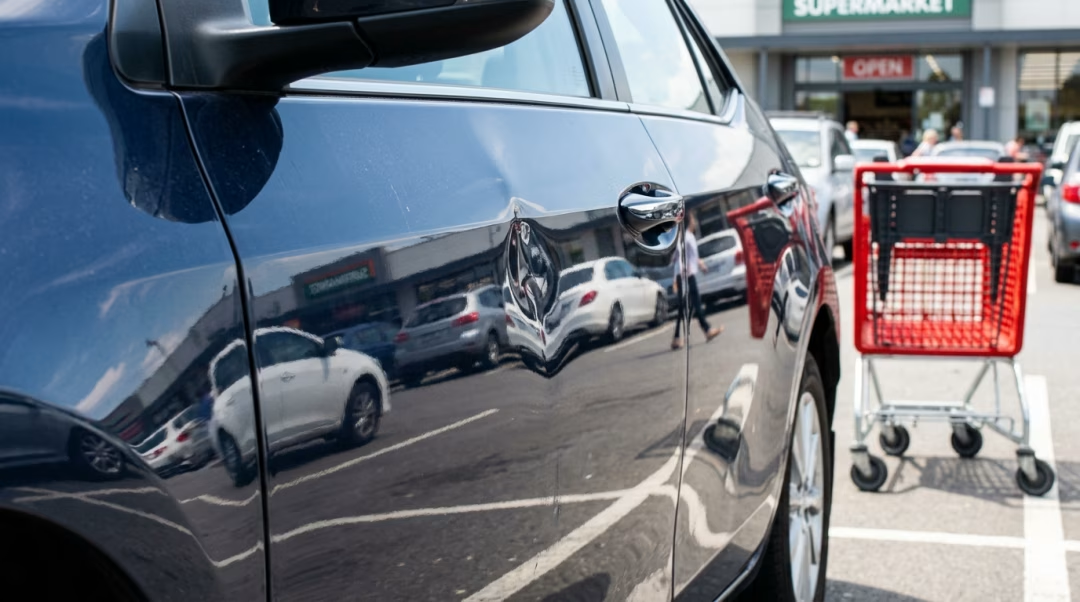
It is one of the most frustrating moments for any vehicle owner: returning to your car in a parking lot only to find a fresh, unmistakable dent from a runaway shopping cart. This common mishap can instantly ruin your day and leave you wondering about the best course of action. Whether it is a small dimple or a more noticeable crease with a paint scuff, the damage can detract from your vehicle's appearance and value. Understanding your options is the first step toward a solution. From simple do it yourself attempts to professional paintless dent repair, there are several ways to address the damage. Taking a moment to assess the situation calmly and learn about the proper repair methods will help you restore your car’s pristine condition efficiently and affordably, ensuring that minor annoyance does not become a major headache or a permanent blemish on your vehicle.
Fixing a shopping cart dent correctly is about more than just aesthetics; it is about protecting your investment. An unrepaired dent, especially one that has cracked the paint, can expose the metal underneath to the elements, leading to rust and more significant problems down the road. Addressing the issue promptly with the right technique not only restores your car’s look but also helps maintain its long term structural integrity and resale value. To learn more about how dents can impact your car's worth, see how we value my trade.
A Comprehensive Guide to Handling Shopping Cart Dents
That sinking feeling when you spot a dent is universal. A rogue shopping cart, pushed by wind or a careless shopper, has left its mark on your otherwise perfect door or fender. Before you panic or rush into a quick fix, it is important to follow a few logical steps to ensure the best possible outcome. The actions you take in the minutes and days following the discovery can significantly impact the ease, cost, and quality of the repair.
Step 1: Immediate Assessment in the Parking Lot
Your first move should happen right where you found the damage. Take a moment to inspect the dent closely. Is it a clean indentation, or is the paint scratched, chipped, or cracked? The condition of the paint is the single most important factor in determining the best repair method. If the paint is intact, you are likely a perfect candidate for a simpler, more affordable fix. Take photos of the damage from several angles and distances. This documentation is useful for your records and is essential if you decide to check store security footage or file an insurance claim, though the latter is rare for such minor damage. While unlikely, it does not hurt to quickly scan the area for security cameras that might have captured the incident.
Step 2: Understanding Your Repair Options
Once you have assessed the initial damage, you can begin exploring how to fix it. The solutions range from at home kits to highly specialized professional services. Choosing the right one depends on the dent's severity, location, and whether the paint is compromised.
- Do It Yourself (DIY) Kits: You may have seen ads for suction cup pullers or glue pulling kits that promise a quick fix. These can sometimes work on very shallow, round dents on flat panels. However, they carry a significant risk. Applying too much force can make the dent worse, create high spots, or damage the paint. They are generally ineffective on body lines or creased dents.
- Paintless Dent Repair (PDR): This is the preferred method for most shopping cart dents where the paint is not broken. PDR is a specialized technique where a technician uses custom tools to access the back of the panel and meticulously massage the metal back to its original shape. It is highly effective, fast, and affordable. Crucially, it preserves your factory paint job, which is vital for maintaining your vehicle's value. You can learn more about what is paintless dent repair and when it works best.
- Traditional Body Shop Repair: If the shopping cart scraped the panel and removed or cracked the paint, PDR is no longer an option. In this case, the vehicle will need to go to a body shop for conventional repair. This process involves sanding the damaged area, applying body filler to smooth the surface, priming, and then repainting the panel. Technicians use advanced tools to ensure a perfect result, as explained in how auto paint color matching technology works. This method is more time consuming and costly but is necessary to prevent future rust and restore the vehicle's appearance.
Why Professional Repair is Often the Best Choice
While the temptation to save money with a DIY kit is strong, a botched repair can cost you far more in the long run. A professional technician has the experience to read the dent, understand how the metal has stretched, and use the correct tools to reverse the damage without a trace. They can also properly handle situations where the paint is damaged, ensuring a seamless and durable finish that protects against rust. An improper repair can lead to visible imperfections, cracked paint, or even rust forming underneath a poor filler job. A professional repair not only looks better but also protects your vehicle's resale value, a critical consideration detailed in how collision repair protects your vehicle resale value.
How to Prevent Shopping Cart Dents in the Future
The best way to deal with a shopping cart dent is to avoid one in the first place. While you cannot control the actions of others, you can take a few proactive steps to minimize your risk:
- Park far away from the store entrance, where there are fewer cars and less foot traffic.
- Choose end spots whenever possible to reduce the number of adjacent vehicles and carts.
- Avoid parking next to shopping cart corrals. While convenient, they are a high risk zone.
- If you see a stray cart in an empty spot, take a moment to move it to a corral before you park.
Taking these small precautions can save you the time, money, and frustration of dealing with an unexpected dent. If you do find yourself with damage, it is always best to consult a professional. You can always learn more on our blog or by contacting a trusted expert for an assessment to ensure your vehicle is repaired correctly.
Can all shopping cart dents be fixed with Paintless Dent Repair (PDR)?
Most shopping cart dents are ideal candidates for PDR, but not all. PDR is only possible if the paint is not cracked, chipped, or severely scratched. If the paint surface is broken, traditional auto body repair methods are required to prevent rust. Additionally, dents located on very sharp body lines, on the edge of a panel, or on double thick metal may be too complex for PDR and might require conventional repair techniques.
How much does it typically cost to fix a shopping cart dent?
The cost varies significantly based on the repair method, the dent's size, and its location. A simple PDR repair for a small, accessible dent can be quite affordable, often costing between one hundred and two hundred fifty dollars. However, if the dent requires traditional bodywork with sanding, filling, and painting, the cost can increase to several hundred dollars or more, depending on the panel and paint complexity.
Will a shopping cart dent cause my car to rust?
A dent itself will not cause rust. However, if the impact that created the dent also scratched or chipped the paint and clear coat, it exposes the bare metal panel to moisture and oxygen. This exposure will absolutely lead to rust over time. That is why it is critical to repair any dent where the paint is compromised as soon as possible to seal the metal from the elements.
Should I try to fix a shopping cart dent myself?
While DIY dent repair kits are available, they should be used with extreme caution. They are generally only effective on very minor, shallow dings on flat surfaces. For most dents, especially those with any creasing, using a DIY kit can easily make the problem worse by creating high spots, cracking the paint, or stretching the metal further. A professional repair is almost always the safer and more effective option.
Does my car insurance cover damage from a shopping cart?
Shopping cart damage is typically covered if you have comprehensive coverage on your auto insurance policy. However, the cost to repair a single dent is often less than the amount of your deductible. For this reason, most people choose to pay for the repair out of pocket rather than filing a claim, which could potentially raise their insurance premiums. It is always best to get a repair estimate first before contacting your insurance company.
