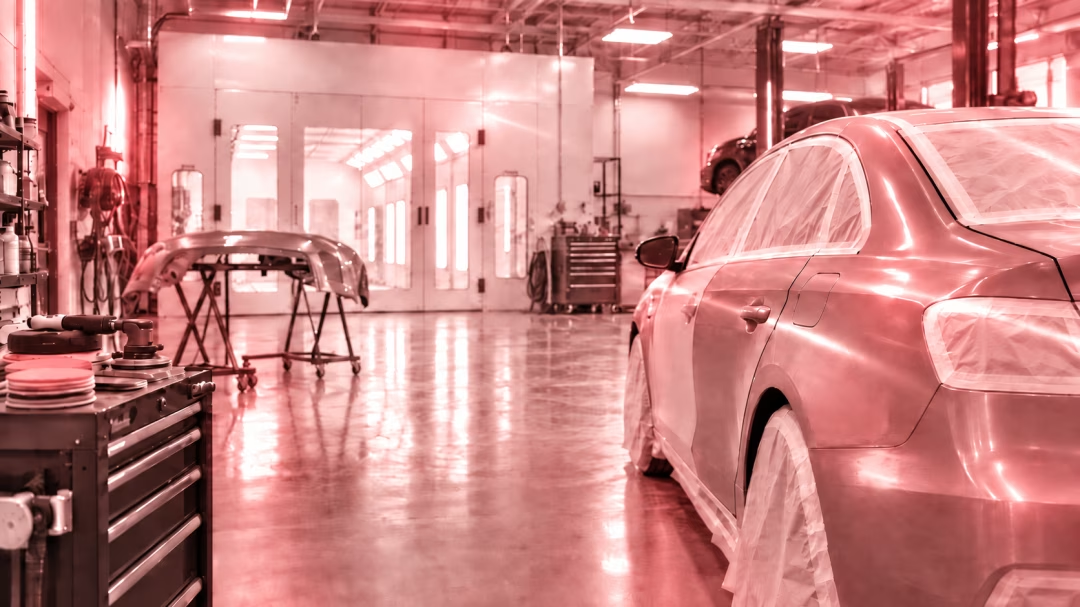
Getting a new paint job, whether it is a full repaint or a spot repair after a collision, can make your vehicle look brand new. However, what many owners do not realize is that fresh automotive paint requires a special "break-in" or curing period to fully harden and achieve its maximum durability. During this critical window, the paint is still vulnerable to damage from environmental factors and improper care. Understanding the break-in period is essential for protecting your investment and ensuring the finish remains glossy and flawless for years to come. This initial phase involves more than just letting the paint dry; it is a chemical process where solvents evaporate and the paint layers crosslink to form a tough, protective shell. Proper care during the first 30 to 90 days will significantly impact the longevity and appearance of your vehicle's new finish.
Navigating the dos and don'ts of new paint care can seem daunting, but it is straightforward with the right knowledge. From how you wash your car to where you park it, every decision matters. This guide will walk you through everything you need to know about the auto paint break-in period, providing expert advice to help you preserve that perfect, showroom-quality shine. Following these guidelines ensures your new paint cures correctly, offering the best possible resistance against scratches, chemicals, and UV rays for the long haul.
Understanding the Science Behind Paint Curing
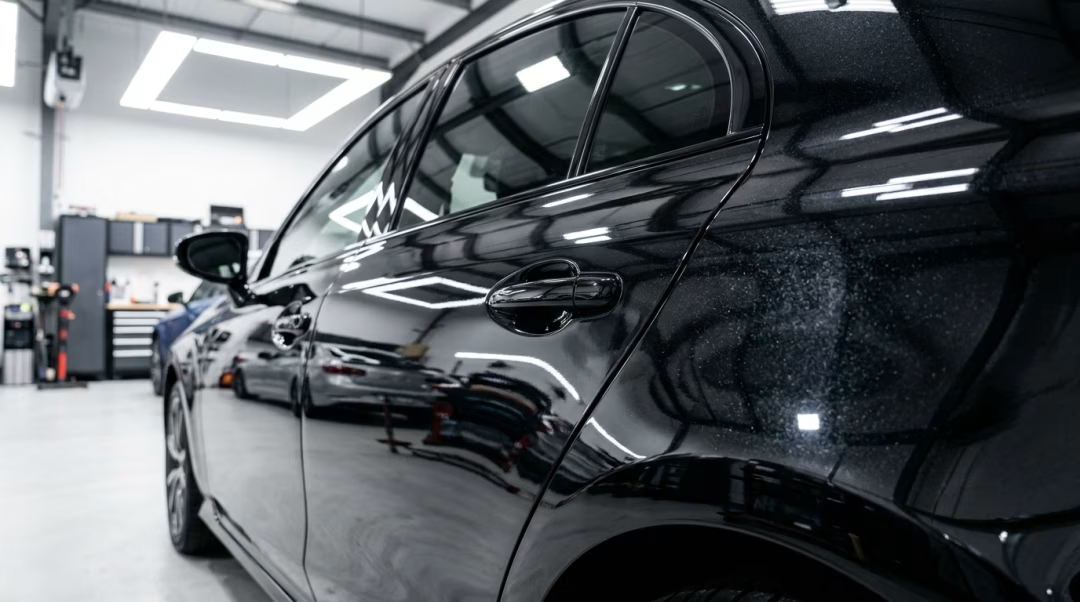
Modern automotive paint is a complex, multi-layer system designed for both beauty and protection. When a vehicle is repainted, it is not just a single coat of color. The process typically involves a primer, a base coat (the color), and a clear coat that provides gloss and protection. While the paint may feel dry to the touch just hours after application, it is far from fully cured. Curing is a chemical process known as cross-linking, where the polymer chains in the paint bind together to form a hard, durable network. This process relies heavily on the evaporation of solvents, often called "outgassing."
The initial drying phase happens quickly, often accelerated in a paint booth with heat lamps. This solidifies the surface enough to handle the vehicle. However, the outgassing process continues for weeks, sometimes months, depending on the type of paint, the thickness of the application, and environmental conditions like temperature and humidity. During this extended period, the paint is soft and porous, making it highly susceptible to damage. Things that would not harm a fully cured finish, like bird droppings or harsh soaps, can etch or stain the fresh paint permanently. That is why a dedicated break-in period is not just a recommendation, it is a necessity for a lasting finish.
The Official Timeline: How Long is the Break-In Period?
While every paint system and body shop is slightly different, the general consensus for a new paint break-in period falls within a 30 to 90-day window. It is always best to ask your technician for their specific recommendation, but you can use this timeline as a reliable guide.
The First 30 Days: The Most Critical Phase
The first month is when your new paint is at its most vulnerable. The outgassing process is at its peak, and the paint layers are still relatively soft. During this time, you must be extremely gentle with the finish. This means avoiding any kind of abrasive contact. You should not run the vehicle through an automatic car wash with brushes, as they can easily create fine scratches and swirl marks. You should also avoid using any waxes, sealants, or polishes. These products can trap the solvents trying to escape, which can interfere with the curing process and lead to hazing, cloudiness, or a soft finish that never fully hardens.
30 to 60 Days: Gradual Hardening
As you move into the second month, the paint has cured significantly but is not yet at its peak hardness. You can begin washing the vehicle more regularly, but gentle hand-washing is still the only recommended method. It is still wise to avoid any protective coatings like wax. Continue to be mindful of where you park to avoid environmental contaminants. Patience during this phase is key. While the paint looks great, rushing to apply a protective layer can do more harm than good. Think of it as allowing the foundation to set completely before building on top of it.
60 to 90 Days: Approaching Full Cure
By the end of this period, most modern automotive paint systems are considered fully cured. The solvent outgassing is complete, and the clear coat has reached its maximum hardness and chemical resistance. After the 90-day mark, it is generally safe to start a regular maintenance routine. This is the ideal time to apply your first coat of high-quality wax or a paint sealant. For those interested in long-term protection, this is also when you can consider professional services like a ceramic coating application. This will help protect your now perfectly cured paint from the elements for years to come.
Essential Care Tips During the Paint Break-In Period
Properly caring for your new paint job during the curing process is simple if you follow a few key rules. Here are the most important dos and don'ts to ensure a beautiful, long-lasting finish. For more detailed instructions, you can also read our guide on how to care for a fresh paint job after repair.
What You Should Do
- Park in the shade or a garage whenever possible to protect the paint from intense UV rays and heat, which can affect the curing rate.
- Gently hand wash the vehicle after the first week using a pH-neutral car soap, a soft microfiber wash mitt, and the two-bucket method to prevent scratches.
- Immediately and gently remove contaminants like bird droppings, bug splatter, and tree sap using a clean microfiber towel and a quick detailer spray. These substances are acidic and can etch the soft paint quickly.
- Dry the vehicle thoroughly after washing with a clean, plush microfiber drying towel or an air blower to prevent water spots.
What You Should Avoid
- Do not take your vehicle through an automatic car wash, especially those with spinning brushes. Stick to touchless washes if hand washing is not an option.
- Do not apply any wax, sealant, or polish for at least 90 days. These products can suffocate the paint and prevent it from curing properly.
- Do not use a tight-fitting car cover. While it might seem protective, it can trap moisture and solvents, and any movement can chafe the soft paint surface.
- Do not use harsh chemicals or abrasive cleaners on the paint. Stick to products specifically designed for automotive finishes.
- Do not pressure wash the vehicle at close range. High pressure can damage or even lift the edges of the fresh paint.
Frequently Asked Questions About New Paint Care
Can I drive my car in the rain after it has been painted?
Yes, driving in the rain is generally safe for a newly painted car. Modern clear coats are quite durable even when fresh. The key is to dry the vehicle as soon as possible once you are out of the rain. Letting water droplets sit on the surface and evaporate can lead to mineral deposits and water spots, which can be difficult to remove from soft paint.
Why can I not wax my car for 90 days?
Wax and paint sealants create a protective, non-porous barrier on top of the clear coat. While this is great for fully cured paint, it is detrimental during the break-in period. Fresh paint needs to "breathe" to allow solvents to escape, a process called outgassing. Sealing the surface traps these solvents, which can prevent the paint from hardening and may cause defects like cloudiness or blistering. Our technicians can provide specific guidance on how long to wait before waxing.
What happens if I get a scratch during the break-in period?
Because the paint is softer during the curing process, it is more prone to scratching. If you get a minor scratch, it is best to leave it alone until after the 90-day period. Attempting to polish or buff it out too early can cause more harm to the surrounding soft paint. Once the paint is fully cured, many light scratches can be easily removed by a professional detailer through a process known as paint correction.
Is it normal to smell a paint odor from my car?
Yes, a faint chemical or paint smell is completely normal for several days or even a few weeks after a repaint. This is the smell of the solvents evaporating from the paint as it cures. The smell will gradually fade as the outgassing process completes. It is a sign that the paint is curing as it should.
How does temperature affect the paint curing time?
Temperature and humidity play a significant role in how paint cures. Warmer, drier conditions generally accelerate the curing process by helping solvents evaporate more quickly. Conversely, cold, damp weather can slow it down considerably. Professional body shops use climate-controlled paint booths to create the ideal environment for the initial application and drying, but the final, extended cure will still be influenced by the real-world climate your car is in. You can learn more about how weather affects paint curing on our blog.
