When you are involved in a vehicle collision, the initial repair estimate you receive from an insurance adjuster is rarely the final word. This first assessment is based on visible damage, but the true extent of the issues often lies hidden beneath the surface. This is where the concept of supplemental damage comes into play. A supplement, or supplemental claim, is an additional estimate created by a collision repair shop after the vehicle has been disassembled. During this teardown process, technicians often uncover hidden damage to structural components, wiring, sensors, or brackets that were impossible to see during the initial inspection. This discovery is a normal and crucial part of the repair process, ensuring that every single damaged component is identified and addressed. A supplemental claim ensures your vehicle is restored to its pre-accident condition, guaranteeing both safety and integrity without you having to pay for unexpected costs out of pocket.
Understanding the supplemental damage process is key to navigating your collision repair journey with confidence. It is not an indicator of a poor initial estimate but rather a sign of a thorough and professional repair facility doing its due diligence. A reputable shop will meticulously document all hidden damage with photos and detailed notes, submitting this evidence to the insurance company for approval. This ensures the insurer covers the complete cost of restoring your vehicle properly, using the correct parts and procedures for a safe, high-quality repair.
A Deeper Look into Supplemental Damage and the Repair Process
The journey from a car accident to a fully restored vehicle involves several critical steps, and one of the most misunderstood is the supplemental damage claim. Many vehicle owners feel anxious when they hear their repair requires a "supplement," fearing it means more costs or complications. However, it is actually a standard operating procedure in the world of professional collision repair. The initial estimate, whether written by an insurance appraiser on-site or at a body shop, is simply a preliminary assessment. It is a best guess based on what is visible to the naked eye. Modern vehicles are incredibly complex, with layers of technology, safety systems, and structural components packed tightly behind cosmetic panels like bumpers and fenders.
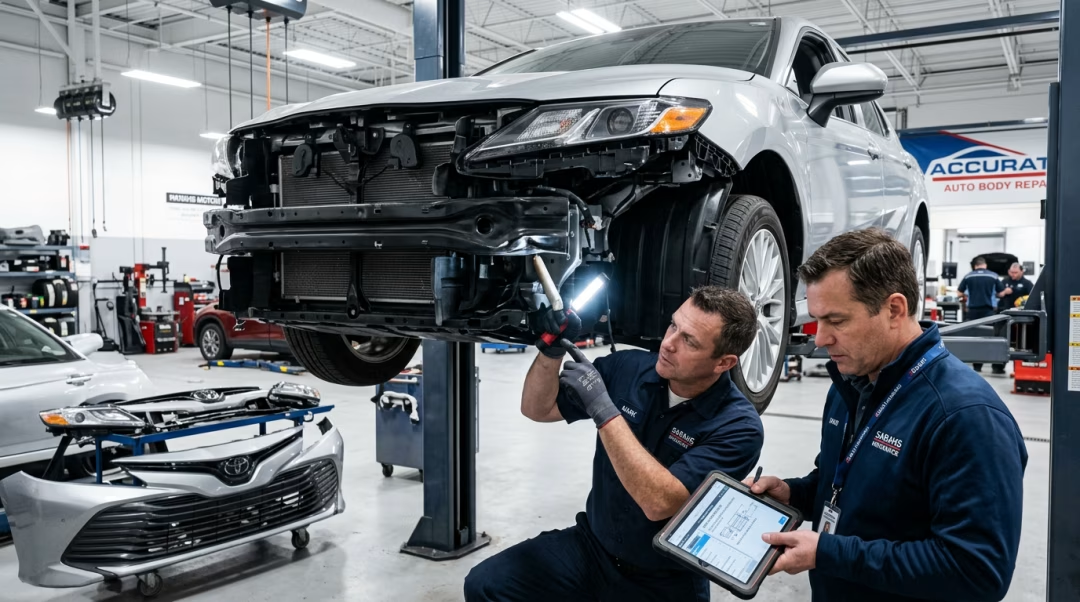
When a collision occurs, the energy from the impact does not just stop at the outer panel. It travels through the vehicle's structure, potentially causing subtle bends, cracks, and breaks in areas far from the initial point of contact. This is why a thorough teardown is the first step in the actual repair process. A skilled technician will carefully remove the damaged exterior parts to reveal the underlying structure. This is where the true scope of the repair becomes clear. You can learn more about this initial stage by reading about what happens during a collision repair estimate.
Common Types of Hidden or Supplemental Damage
Supplemental damage can range from minor items to critical safety components. A small fender bender might do more than just scratch the paint and dent the metal. During teardown, a technician might find a cracked headlight mounting bracket, a crushed washer fluid reservoir, or a bent reinforcement bar that was completely obscured by the bumper cover. In more significant impacts, the damage can be more severe.
- Structural Components: This includes damage to the unibody frame rails, radiator core support, or apron assemblies. Even minor bends in these areas can compromise the vehicle's structural integrity and must be addressed with precision. Discovering these issues is vital, as outlined in our guide on the signs your vehicle needs structural frame repair.
- Safety Systems (ADAS): Modern cars are equipped with Advanced Driver-Assistance Systems that rely on sensors, cameras, and radar units mounted in bumpers and grilles. An impact can damage the sensor itself or simply knock its mounting bracket out of alignment, requiring recalibration or replacement to function correctly.
- Mechanical Parts: A front-end collision can easily damage radiators, air conditioning condensers, and cooling fans that are not immediately visible. A side impact could bend suspension components like control arms or struts.
- Wiring and Electronics: The force of a crash can pinch or sever wiring harnesses, damage electrical connectors, or break sensitive modules hidden within the vehicle's body panels.
Navigating the Supplemental Insurance Claim Process
Once a technician uncovers supplemental damage, the repair process pauses. A professional auto body shop will not proceed with repairs that have not been authorized by the insurance carrier. Instead, they begin a methodical documentation and communication process.
First, the service advisor or estimator will create a detailed list of the additional parts and labor required. Every broken clip, bent bracket, and necessary procedure is itemized. This is supported by clear digital photographs of the newly discovered damage, which serve as evidence for the insurance company. This entire package is then submitted to the insurance adjuster as a supplemental request. The adjuster reviews the new information and, in most cases, approves the additional repairs. Sometimes, they may need to visit the shop for a second in-person inspection to verify the damage before giving approval. This entire system is part of how the auto body insurance claims process works and is designed to ensure accuracy.
While this can add time to the overall repair, it is a non-negotiable step for a quality repair. Proceeding without this approval could leave you, the vehicle owner, responsible for the bill. A reputable shop will handle all communication with the insurer on your behalf, advocating for the necessary repairs to restore your vehicle safely and completely. This commitment to a full restoration is crucial for protecting your investment, as proper repairs are essential to how collision repair protects your vehicle resale value.
Why Choosing the Right Collision Center Matters
Your choice of a repair facility has a significant impact on how smoothly the supplemental damage process goes. An experienced, trustworthy shop has established relationships with insurance companies and understands exactly what adjusters need to see to approve a claim quickly. They have the right diagnostic tools to identify hidden electronic and structural issues and the training to document them effectively.
Furthermore, a quality shop prioritizes safety and will fight for the use of OEM (Original Equipment Manufacturer) parts when necessary to ensure a perfect fit and function, especially for critical safety systems. If you have questions about this, our article on why OEM parts matter in collision repair is an excellent resource. They will not cut corners by ignoring a bent bracket or trying to repair a part that should be replaced. Their goal is the same as yours: to return a vehicle that is as safe, reliable, and beautiful as it was before the accident. Before committing to any repairs, it is always wise to review important questions you should ask a body shop before booking repairs to ensure they meet these high standards.
Frequently Asked Questions About Supplemental Damage
Why wasn't all the damage found on the first insurance estimate?
The initial estimate is a visual-only inspection. Insurance adjusters and body shop estimators cannot see through metal or plastic panels. Supplemental damage is damage discovered only after the vehicle is disassembled in the shop, revealing bent structural parts, broken brackets, or cracked components that were previously hidden from view.
Does a supplemental claim mean my repair will cost me more money?
No, not typically. The supplemental claim is submitted to the same insurance company that approved the initial estimate. It is an extension of the original claim. Once the insurer approves the supplement, they cover the additional costs, and your deductible remains the same. The supplement ensures the insurance company pays for a complete, safe repair.
How long does it take for a supplement to be approved?
Approval times can vary. For simple supplements, a desk review of photos and documentation may lead to approval within a day or two. For more extensive damage, the insurance company may send an adjuster back to the shop for a physical re-inspection, which could take several days. The repair shop will keep you informed of the timeline.
Is a supplement a sign that the body shop is trying to charge more?
Quite the opposite. A supplemental claim is a sign of a thorough and honest body shop. A shop that does not find supplemental damage on a significant repair may be cutting corners or ignoring hidden issues. A professional facility is committed to identifying and repairing all damage to ensure your vehicle is safe and restored correctly.
Can a supplemental claim lead to my vehicle being declared a total loss?
It is possible. If the cost of the initial estimate plus the supplemental damage exceeds a certain percentage of the vehicle's actual cash value (a threshold set by the insurance company), the vehicle may be declared a total loss. This is not the fault of the body shop but rather a financial decision made by the insurer when repairs are no longer economically viable.
