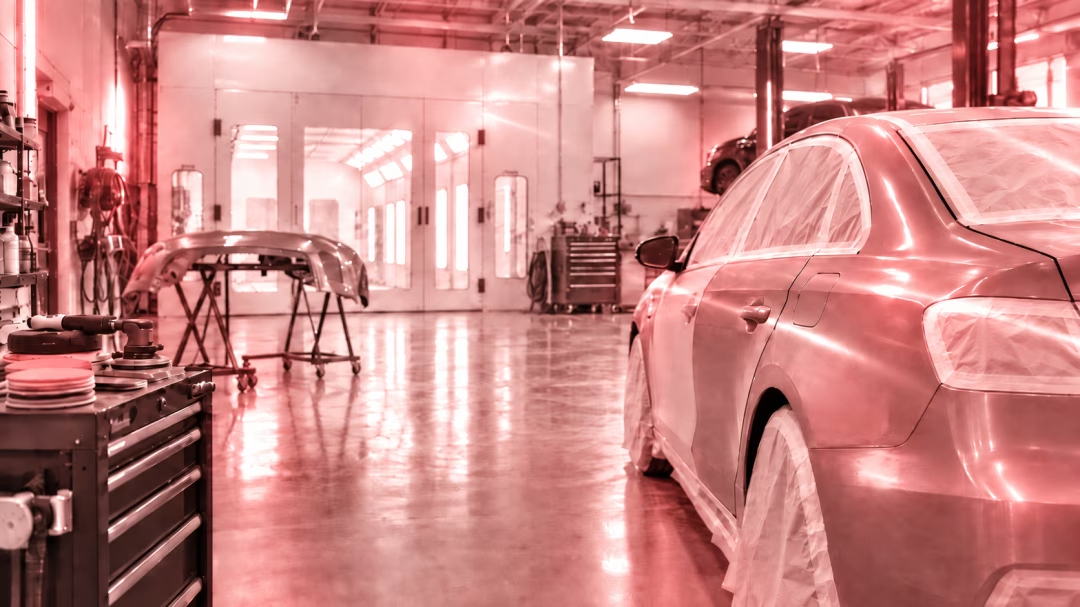
When your vehicle requires paintwork after a repair, achieving a flawless, factory-fresh finish is the ultimate goal. You want the damaged area to be completely indistinguishable from the rest of the car. This is where the art and science of auto paint blending come into play. Blending is a specialized technique used by professional auto body painters to create a seamless transition between a newly painted repair area and the vehicle's original paint. Instead of stopping the new paint abruptly at a panel's edge, technicians skillfully fade the new color into the adjacent, undamaged panels. This process tricks the human eye, ensuring that slight variations in color, which are almost inevitable due to factors like sun exposure and paint batch differences, become invisible. It is the key to a truly professional repair that maintains your vehicle's aesthetic integrity and resale value. Choosing a shop that masters this technique is vital for a repair you can be proud of.
Understanding the importance of paint blending helps you appreciate the level of craftsmanship required for high-quality collision repair. It is not merely a shortcut but a meticulous process that demands a deep understanding of how auto paint color matching technology works and how light interacts with automotive finishes. This technique ensures that the value of your vehicle is preserved by avoiding the tell-tale signs of a subpar repair job, such as mismatched panels or hard paint lines that can deter potential buyers when you decide to value my trade.
The Science and Art Behind a Flawless Finish
Auto paint blending is far more than just spraying a little extra paint. It is a calculated, multi-step process that represents the pinnacle of auto body refinishing. Even with modern technology that can identify a vehicle’s exact factory paint code, a perfect match right out of the can is nearly impossible. Your vehicle's paint changes over time due to a variety of factors, including sun exposure, environmental contaminants, and even the way it was washed. This subtle aging process means that the original color on your car today is slightly different from the formula defined by the paint code. If a painter were to simply repair and repaint a single door, the new finish would likely stand out against the older, weathered paint on the fender and quarter panel next to it. Blending solves this problem by creating a gradual, imperceptible transition that makes the repair vanish.
Why is Paint Blending a Non-Negotiable for Quality Repairs?
Opting for a repair without blending is a gamble that rarely pays off. Professional painters insist on this technique because it addresses several critical variables that affect the final appearance of the paint job. It is a core part of how collision repair shops restore vehicles to their pre-accident condition, not just structurally but aesthetically as well.
- Color Variance and Metamerism: No two batches of paint are ever 100% identical. Furthermore, metallic and pearlescent paints contain tiny flakes that reflect light. The way these flakes lay down during application can change the perceived color from different angles. This phenomenon, known as metamerism, means a color can look like a perfect match under one light source (like the shop's fluorescent lights) but appear mismatched in direct sunlight. Blending minimizes this effect by gradually mixing the new and old paint, fooling the eye into seeing one uniform color.
- Fading and Oxidation: Over the years, the sun's UV rays and oxygen in the air break down your car's clear coat and pigment, a process you can learn more about in our guide to what causes paint to fade or oxidize over time. This causes the color to lighten and lose its depth. Blending allows the technician to match the paint to its current, slightly faded state rather than its original factory color.
- Preserving the Factory Finish: A major advantage of blending is that it preserves as much of the original, factory-applied paint as possible. The factory finish is typically the most durable and highest quality paint your vehicle will ever have. By limiting the new paint application to the smallest necessary area and blending into adjacent panels, the integrity of the surrounding original finish is maintained.
- Avoiding Hard Lines: When you paint just one panel, you create a "hard line" where the new paint meets the old. This line is often visible and serves as a clear indicator that work has been done. Blending eliminates this line entirely, resulting in a repair that is undetectable to even a trained eye. This is crucial for maintaining your vehicle's resale value, a topic we cover in detail on our page about how collision repair protects your vehicle resale value.
The Meticulous Process of Paint Blending
Achieving a perfect blend is a testament to a technician's skill and patience. It involves several precise steps to ensure the final result is flawless. Anyone interested in the repair process should check our blog for more insights.
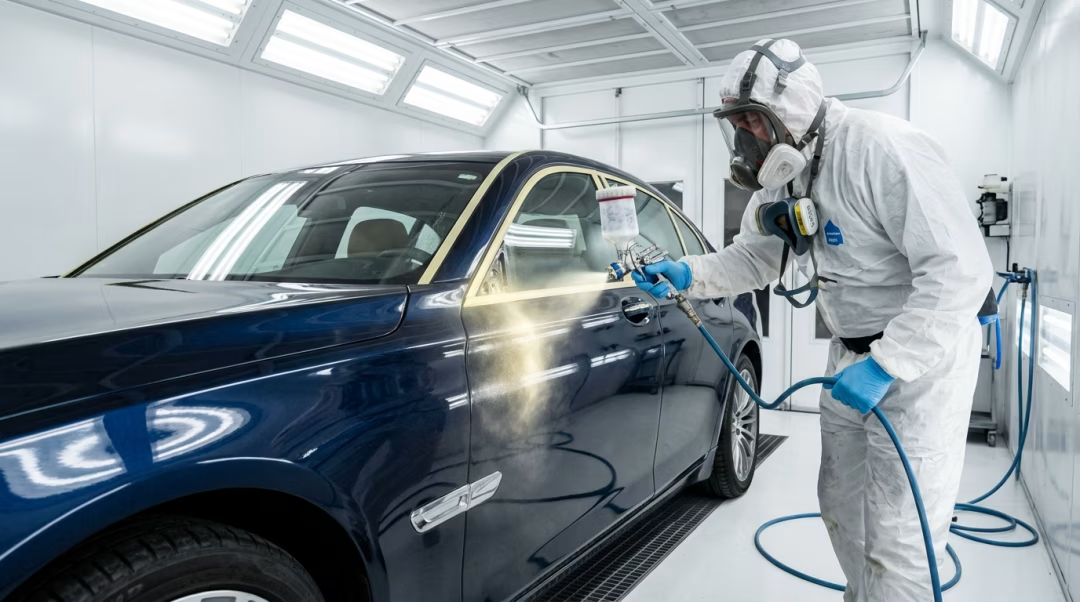
First, the technician thoroughly cleans and prepares the repaired panel and the adjacent panels designated for blending. The repaired area is primed and sanded smooth. Next, the technician uses a spectrophotometer and the vehicle’s paint code to create the best possible color match. The new base coat is applied to the repaired panel first. Then, with expert control of the spray gun, the painter extends the new paint onto the adjacent panel, gradually reducing the amount of paint applied as they move away from the repair. This creates the "fade" or "transition" that is the heart of the blending technique. After the blended base coat has dried, a fresh layer of clear coat is applied over the entire surface of all affected panels. This seals the repair, protects the paint, and ensures a uniform gloss across the old and new areas. The process concludes with curing, wet sanding, and buffing to eliminate any minor imperfections and produce a mirror-like shine.
Is Blending Always Necessary?
While blending is the standard for most high-quality repairs, there are rare occasions where it might not be required. For instance, if a panel is isolated and does not butt up against another painted panel on the same visual plane, such as a roof or a bumper, a painter might be able to get away with an edge-to-edge repaint. However, for any repairs on doors, fenders, quarter panels, or hoods, blending into the surrounding panels is the only way to guarantee an invisible repair, especially for metallic and pearl colors. If you have questions about your specific repair needs, do not hesitate to contact us for a professional consultation. Our team of experts, which you can learn about on our bios page, is always here to help.
Frequently Asked Questions About Paint Blending
What is the difference between blending and color matching?
Color matching is the process of identifying and mixing a paint formula to be as close as possible to the vehicle's current color. Blending is the physical technique of applying that matched paint in a way that creates a seamless, invisible transition from the new paint to the old paint on an adjacent panel. Matching gets the color close; blending makes it perfect.
Can any color of automotive paint be blended?
Yes, virtually all automotive colors can and should be blended for the best results. However, blending is especially critical for metallic, pearl, and tri-coat colors. These paints have reflective particles that make an exact match extremely difficult, so the gradual transition created by blending is essential for an invisible repair.
How far does a painter need to blend into the next panel?
The distance a painter blends depends on the color and the location of the repair. For many colors, the blend may only need to extend 12 to 18 inches into the adjacent panel. For more complex colors like light silvers or golds, the painter might need to blend across the entire adjacent panel to ensure a flawless transition from every angle.
Is paint blending more expensive than a simple spot repair?
Blending involves more labor and materials because the technician is working on a larger surface area (the original panel plus parts of adjacent panels). While this may make the initial cost slightly higher than a hard-line spot repair, it is a crucial investment in maintaining your vehicle's appearance and long-term value. A poorly matched repair can significantly lower your car's resale price.
How long do I need to wait before washing or waxing a blended panel?
You should follow the same care instructions as you would for any new paint job. Generally, it is recommended to wait at least 30 days before applying any wax or sealant to allow the clear coat to fully cure. You can hand wash the vehicle gently with a mild, pH-neutral car soap after about a week. We have a helpful guide on how to care for a fresh paint job after repair.
