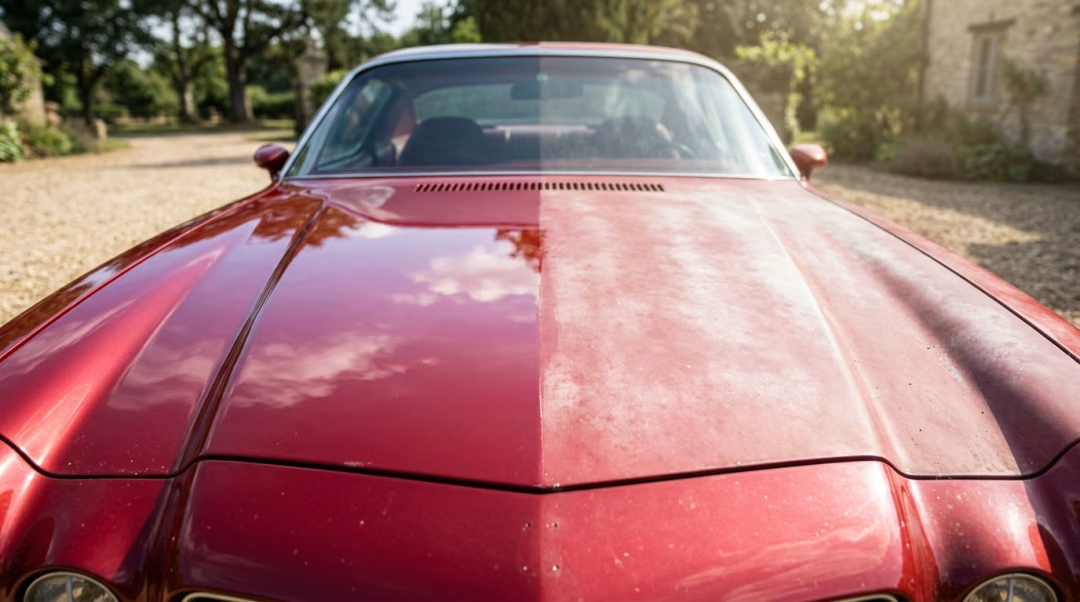
Have you ever noticed a vehicle that looks dull, chalky, or has lost its original vibrant color? This common issue is known as paint oxidation or fading, a gradual process that can significantly impact a car's appearance and resale value. The culprit is a combination of environmental factors relentlessly attacking your vehicle's protective clear coat and underlying paint layers. The most significant aggressor is the sun's ultraviolet (UV) radiation, which breaks down the chemical bonds in the paint, causing pigments to lose their intensity. Over time, this exposure, combined with environmental pollutants like acid rain and industrial fallout, compromises the clear coat. Once this top layer is weakened, the paint beneath becomes vulnerable, leading to the hazy, washed-out look of oxidation. Understanding what causes this damage is the first step toward preventing it and keeping your vehicle looking its best for years to come.
Protecting your car's finish is not just about aesthetics; it is about preserving the integrity of the body panels and maintaining your investment. At our dealership, we carefully inspect every vehicle in our inventory to ensure the paintwork meets our high standards. We believe an informed owner is a happy owner, which is why we want to share the deeper science behind what causes paint to degrade and provide actionable advice on how you can fight back against the elements that want to dull your shine.
The Primary Culprits Behind Paint Degradation
A vehicle's paint job is more than just a color; it is a multi-layered system designed to protect the metal underneath from the elements. However, this system is under constant assault. Understanding the specific factors that cause fading and oxidation can empower you to take preventative measures. From the sun's relentless rays to the chemicals on the road, each element plays a role in the aging process of your car's exterior finish.
Sunlight: The Ultimate Fading Force
The number one enemy of your car's paint is ultraviolet (UV) radiation from the sun. Just as UV rays can damage human skin, they wreak havoc on the chemical compounds in your vehicle's paint. The process starts with the clear coat, the transparent top layer designed to provide gloss and protection. UV radiation breaks down the polymers within the clear coat, causing it to become brittle and lose its clarity. Once this protective shield is compromised, the UV rays can penetrate the pigmented base coat. They attack the color pigments, causing them to break down and lose their vibrancy. This molecular breakdown is what we perceive as fading. Cars with red, orange, and yellow pigments are often more susceptible to fading because these pigments are less stable and absorb more UV light.
Environmental and Chemical Contaminants
Your car is constantly exposed to a cocktail of environmental and chemical contaminants that can eat away at the paint. These substances can cause chemical reactions that etch, stain, and degrade the finish. It is a slow but steady process that can be just as damaging as direct sunlight.
- Acid Rain: Rainwater mixes with atmospheric pollutants like sulfur dioxide and nitrogen oxides to form a mild acid. When these droplets evaporate on your car's surface, the acid concentration increases, leaving behind corrosive deposits that can etch the clear coat.
- Bird Droppings and Bug Splatter: These are highly acidic and can cause permanent damage very quickly. The uric acid in bird droppings and the enzymes in bug remains can soften and eat through the clear coat if not cleaned off promptly.
- Road Salt and Grime: During winter, road salt is a major threat. Its corrosive properties accelerate rust and can severely damage the paint, especially on the lower body panels. General road grime can also contain metallic particles that contribute to paint degradation. Learn more about how winter road salt affects vehicle paint.
- Tree Sap and Pollen: While seemingly harmless, tree sap can bond with and stain the paint. Pollen contains acids that, when mixed with water, can also cause etching over time.
Oxidation Explained: When Your Paint Gets a Chalky Haze
While often used interchangeably with fading, oxidation is a distinct process. It refers to the chemical reaction between the paint's resins and oxygen, accelerated by heat and UV exposure. This process is essentially the paint "drying out" on a molecular level. It primarily affects the clear coat first. As the clear coat oxidizes, it loses its transparency and develops a cloudy, hazy, or milky appearance. If left unaddressed, the oxidation will burn through the clear coat entirely, exposing the base coat to direct attack. An oxidized base coat looks dull, chalky, and lifeless. This is why a brand new looking car can quickly look old and neglected if the paint is not properly cared for.
Prevention: Your Best Defense Against Fading and Oxidation
The good news is that paint degradation is largely preventable. By adopting a proactive maintenance routine, you can significantly extend the life and beauty of your vehicle's finish. It is all about creating and maintaining a barrier between your paint and the harsh elements.
- Wash Regularly: The simplest step is the most crucial. Washing your car every one to two weeks removes the harmful contaminants before they have a chance to bond with and damage the paint. Always use a pH-neutral car-specific soap and the two-bucket method to avoid scratching.
- Wax or Seal Your Paint: A layer of carnauba wax or a modern paint sealant acts as a sacrificial barrier. It sits on top of your clear coat, absorbing UV damage and repelling contaminants. Plan to apply a fresh coat every 3-4 months.
- Park Strategically: Whenever possible, park in a garage, carport, or shaded area. Minimizing direct sun exposure is the most effective way to combat UV damage. If you must park outside, a quality car cover can offer excellent protection.
- Consider Advanced Protection: For the ultimate defense, consider professional options like a Paint Protection Film (PPF) or a ceramic coating. PPF is a physical, transparent film that protects against chips and scratches, while a ceramic coating creates a super-hard, chemical-resistant glass layer over your paint that can last for years.
By understanding these causes and implementing a consistent protection plan, you can keep your car's paint looking glossy and vibrant. If you have questions about maintaining your vehicle's finish, our vehicle service team is always here to help.
What is the main cause of car paint oxidation?
The primary cause of car paint oxidation is prolonged exposure to the sun's ultraviolet (UV) radiation. These UV rays break down the protective clear coat, allowing oxygen to react with the paint's base layer. This chemical reaction causes the paint to lose its essential oils and pigments, resulting in a dull, chalky, and faded appearance over time.
Can you fix faded car paint yourself?
Yes, in many cases you can. If the damage is limited to light oxidation or fading within the clear coat, you can often restore the shine using a polishing compound and a buffer. This process removes the very top, damaged layer of the clear coat. However, if the clear coat has failed completely and is peeling, the vehicle will require professional repainting.
Does waxing prevent paint from fading?
Regular waxing is one of the most effective ways to prevent paint from fading. A quality car wax or paint sealant creates a protective barrier on top of the clear coat. This layer shields the paint from direct UV ray exposure, repels water and contaminants, and adds a deep gloss, significantly slowing down the fading and oxidation process.
How can I tell if my paint is oxidizing or just dirty?
Start by thoroughly washing and drying a section of the car. If the surface still looks dull, hazy, or feels slightly rough or chalky to the touch, it is likely oxidation. A simple test is to apply a small amount of polish to a soft cloth and rub it on a small, inconspicuous spot. If the shine returns and the cloth has some of the car's color on it (for single-stage paint) or just looks dirty (for clear-coated cars), you are removing the oxidized layer.
Is oxidized paint a sign of a bad car?
Not necessarily. Oxidized paint is primarily a cosmetic issue and a sign of age or improper care, not a reflection of the car's mechanical condition. While it can lower the resale value, it does not mean the engine or transmission is unreliable. In fact, finding a mechanically sound used car with some paint oxidation can be a great value if you are willing to invest in paint correction.
