Finding a trustworthy auto body shop after an accident can feel overwhelming, but making the right choice is crucial for your vehicle's safety, appearance, and value. The quality of a collision repair directly impacts everything from structural integrity to the longevity of your paint job. A reputable shop will use the correct parts, employ certified technicians, and stand behind their work with a solid warranty, giving you peace of mind. This guide is designed to empower you with the knowledge needed to navigate this process. We will walk you through the essential steps, from initial research to asking the right questions, so you can confidently select a facility that will restore your vehicle to its pre-accident condition. Choosing correctly ensures your safety systems are properly recalibrated and your investment is protected for years to come. Your vehicle deserves expert care, and you deserve a hassle-free, transparent repair experience.
Your search for a dependable collision repair partner ends here. While your insurance company might suggest a preferred shop, remember that you always have the final say in where your vehicle is repaired. Taking the time to properly vet a facility ensures that skilled professionals are handling the work, from minor dent removal to major structural repairs. A great body shop prioritizes quality and customer satisfaction above all else. By following the detailed advice below, you can identify the best local experts for the job.
Your Roadmap to Selecting a High-Quality Collision Repair Center
After a collision, the path to getting your vehicle repaired can seem complicated. The most critical decision you will make is choosing the auto body shop that will perform the repairs. This choice affects not only how your car looks but, more importantly, how it performs and protects you in a future incident. A subpar repair can lead to a host of problems, including mismatched paint, improper panel gaps, and compromised safety features. To avoid these pitfalls, it is essential to conduct thorough research and vet potential shops carefully. Our team has compiled this comprehensive guide to help you distinguish a top-tier facility from one that might cut corners.
Step 1: Gather Recommendations and Do Your Homework
The first step in your search is to create a shortlist of potential candidates. Do not simply default to the first result in a search engine. Instead, take a multi-pronged approach to find the most reputable shops in your area.
- Word-of-Mouth: Ask friends, family, and colleagues for recommendations. Personal experiences are invaluable, as they provide unfiltered insight into a shop's customer service, quality, and timeliness.
- Online Reviews: Look at reviews on Google, Yelp, and other third-party platforms. Pay attention to recurring themes in both positive and negative comments. Look for reviews that detail the type of repair performed and the customer's satisfaction with the outcome and the process.
- Check with Your Insurer: While you are not obligated to use them, your insurance provider can offer a list of pre-approved or "direct repair program" shops. These facilities have already been vetted by the insurance company, but you should still perform your own due diligence. To learn more about this, read our guide on what a direct repair program is.
Step 2: Vet Your Shortlist with Key Questions
Once you have a few shops in mind, it is time to dig deeper. Contact each one or visit their website to find answers to some critical questions. A transparent and professional shop will have no problem providing this information.
What Certifications Do Your Technicians Hold?
Certifications are a clear indicator of a shop's commitment to quality and ongoing training. The two most important credentials to look for are I-CAR (Inter-Industry Conference on Auto Collision Repair) and ASE (Automotive Service Excellence). I-CAR provides continuous training on the latest vehicle technologies and repair procedures, while ASE certifies the competency of individual technicians. A shop that invests in these programs is more likely to understand how to restore vehicle safety systems correctly.
What Kind of Warranty Do You Offer on Your Work?
A reputable auto body shop will always stand behind its work. Ask about the warranty they offer on repairs and paint. A lifetime warranty on workmanship and paint is the industry standard for high-quality shops. This demonstrates their confidence in their materials and skills. Be wary of any shop that offers a limited warranty or is vague about the terms. A strong warranty protects you from defects in materials or craftsmanship long after you have driven off the lot.
Do You Use OEM Parts?
OEM (Original Equipment Manufacturer) parts are made by your vehicle's manufacturer and are identical to the parts your car was built with. Aftermarket parts are produced by other companies and can vary in quality, fit, and material. While some aftermarket parts are acceptable, using OEM parts is the only way to guarantee a perfect fit and maintain your vehicle's original safety and performance standards. Discuss their parts philosophy and find out if they are willing to work with your insurance company to use OEM parts. Understanding why OEM parts matter is key to a lasting repair.
Step 3: Visit the Shop and Get an Estimate
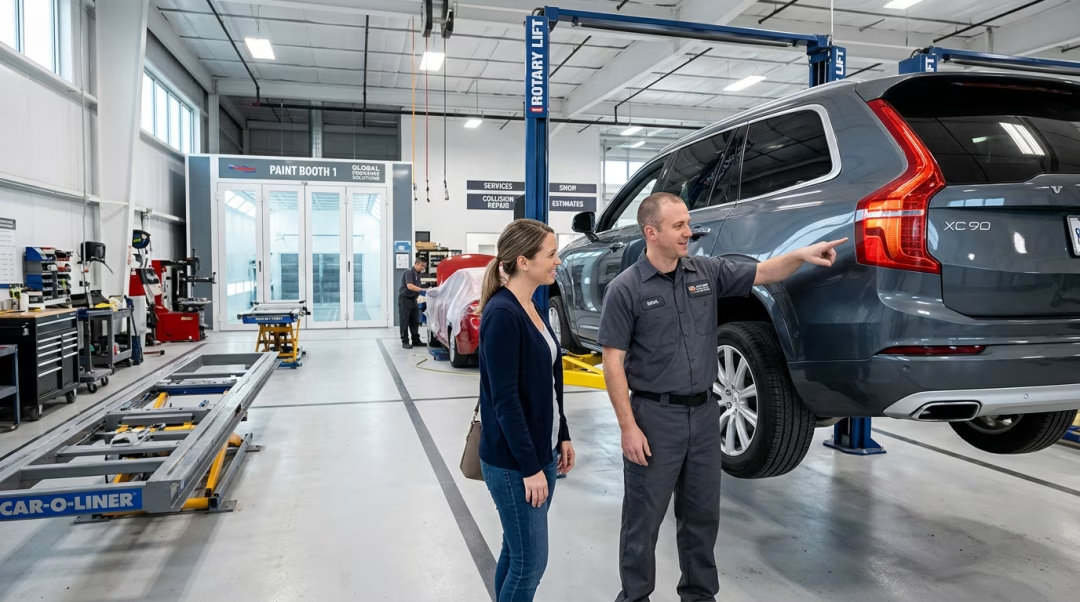
The final step is to visit your top two or three choices in person. This allows you to inspect the facility and interact with the staff, which can tell you a lot about their professionalism and quality of work. When you go, be prepared to get a detailed written estimate.
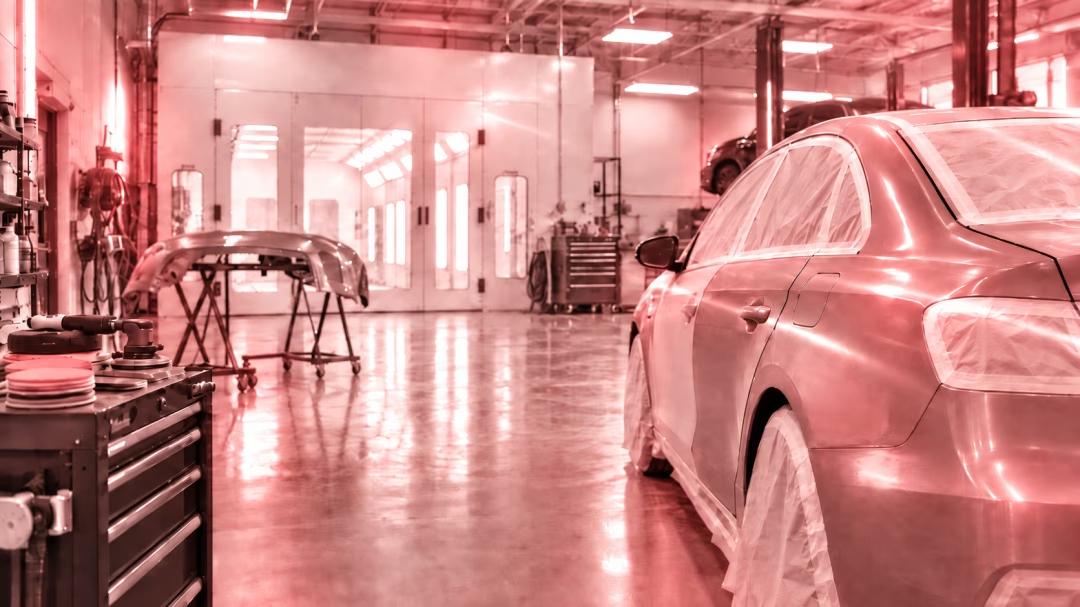
- Assess the Facility: A clean, organized, and well-lit shop is a good sign. Look for modern equipment, such as a dedicated paint booth and frame-straightening machines. The condition of the facility often reflects the quality of the work they produce.
- Evaluate Customer Service: Pay attention to how you are treated. Are the staff members friendly, professional, and willing to answer your questions? Good communication is essential for a smooth repair process. You can learn more about our commitment to service on our about us page.
- Analyze the Estimate: Do not just look at the final price. A proper estimate should be itemized, detailing the costs for parts, labor, and materials. Compare estimates from different shops, but be cautious of one that is significantly lower than the others, as it could indicate corners are being cut. Understanding how to read an insurance estimate can help you decipher the details.
By following these steps, you can move beyond simply finding a body shop and instead find a trusted partner who will prioritize the safety and quality of your vehicle's repair. Taking your time to make an informed decision will pay dividends in the long run.
Frequently Asked Questions About Choosing a Body Shop
Can I choose my own body shop, or do I have to use my insurance company's recommendation?
You absolutely have the legal right to choose your own repair facility. While your insurance provider may recommend a "preferred" shop, you are not obligated to use them. Choosing a shop you have personally vetted ensures you are comfortable with the quality of work being performed on your vehicle. For more on this topic, see our guide on if you can choose your own body shop.
What is the difference between an estimate and the final repair cost?
An initial estimate is a preliminary assessment of the visible damage. Once the shop begins disassembling your vehicle, they may uncover hidden or "supplemental" damage that was not apparent during the first inspection. The final cost will include the repair of this additional damage. A trustworthy shop will communicate with you and your insurance company before proceeding with any supplemental repairs.
How important are certifications like I-CAR or ASE for a collision repair shop?
They are extremely important. Modern vehicles are incredibly complex, with advanced materials and integrated safety systems. Certifications from I-CAR and ASE demonstrate that the technicians have up-to-date training on the latest repair procedures and technologies. This ensures they know how to properly repair your vehicle to meet factory safety and performance standards. You can learn more about what certifications a shop should have on our blog.
Should I be concerned if one shop's estimate is much lower than the others?
Yes, a significantly lower estimate can be a red flag. It may indicate that the shop is planning to use low-quality aftermarket parts, skipping necessary repair steps, or employing underqualified technicians. While cost is a factor, quality and safety should be your top priorities. A detailed, itemized estimate is more important than a low price, as it shows a commitment to a thorough and proper repair.
What kind of warranty should a good auto body shop offer on its repairs?
A high-quality, reputable auto body shop should offer a written lifetime warranty on their workmanship, including the paint job. This warranty protects you against defects in materials and craftsmanship for as long as you own the vehicle. Be sure to get the warranty details in writing and understand what is covered before authorizing repairs. A strong warranty shows the shop is confident in the quality and durability of their work.
