After your vehicle undergoes professional collision repair, its journey back to pristine condition isn't quite over. While the structural and cosmetic damage has been fixed, proper aftercare is crucial for protecting the investment you just made. Many owners wonder how soon they can return to their normal car care routine. Detailing a vehicle after a repair is about more than just making it shine; it is about preserving the fresh paint, protecting newly installed parts, and ensuring the longevity of the work performed. Understanding the correct timeline for the first wash, wax, and full detail is essential. Rushing this process can inadvertently damage the sensitive, newly applied finish. A strategic approach to post-repair detailing not only enhances the appearance of your car but also plays a vital role in maintaining its long-term value and integrity, ensuring the quality of the repair is visible for years to come.
Navigating the period after a vehicle repair requires a specific care strategy. The fresh paint and materials need time to cure and settle, making them vulnerable to harsh chemicals and abrasive cleaning methods. Adhering to a careful schedule for washing and detailing will safeguard the finish and ensure a seamless blend with the original bodywork. This initial patience pays off by maximizing the durability of the repair and keeping your vehicle looking showroom-fresh, complementing the expert craftsmanship of the body shop.
A Comprehensive Guide to Post-Repair Vehicle Detailing
Getting your car back from the body shop is a relief. The dents are gone, the scratches have vanished, and it looks whole again. However, the materials used in the repair, especially the paint and clear coat, need special attention in the weeks and months that follow. The period immediately after a repair is critical for allowing these materials to fully cure and harden. This process, known as "outgassing," is when solvents from the paint evaporate. Interrupting this process by applying wax, sealants, or using aggressive cleaning methods too early can trap these solvents, leading to a hazy finish, bubbling, or other imperfections. For more information on this crucial period, explore our guide on how to care for a fresh paint job after repair.
The First Wash: Timing and Technique Are Everything
The urge to wash your car as soon as you get it home is understandable, but caution is key. Most modern body shops use advanced paints and curing methods that allow for a quicker turnaround. Generally, it is safe to gently hand wash your vehicle within a few days to a week after picking it up. However, you must avoid automated car washes with harsh brushes and high-pressure sprays for at least 30 days. These systems can be too abrasive for a new finish.
When you perform that first wash, follow these guidelines to protect your investment:
- Use a pH-neutral automotive soap and two buckets—one for soapy water and one for rinsing your wash mitt—to prevent cross-contamination and scratching.
- Wash in a shaded area to prevent soap from drying on the surface and causing water spots.
- Use a soft microfiber or sheepskin wash mitt, never a coarse sponge or brush.
- Dry the vehicle immediately with a clean, high-quality microfiber towel or an electric leaf blower to avoid water spotting on the fresh clear coat.
- Avoid any products containing wax or sealants during this initial wash. Learn more by reading about how to wash a freshly painted vehicle safely.
Scheduling Your First Full Detail After a Repair
A full detail goes far beyond a simple wash. It involves deeper cleaning, paint decontamination, polishing, and protection. Because these steps are more intensive, the timing for your first post-repair detail is crucial. The universal rule among professional auto body technicians and detailers is to wait until the new paint has fully cured.
Wait 30 to 90 Days: The curing time for automotive paint can vary based on the type of paint used, the number of coats applied, and environmental conditions. The safe window is typically between 30 and 90 days. During this time, the paint's surface is still soft and permeable. Applying a layer of wax or a synthetic sealant will suffocate the paint, preventing the solvents from escaping and potentially ruining the finish. Always consult with the body shop that performed the work, as they can provide a specific recommendation based on the products they used. Understanding the full scope of the work done can help, so it is useful to know how long collision repair typically takes and what is involved.
Key Components of a Post-Repair Detailing Service
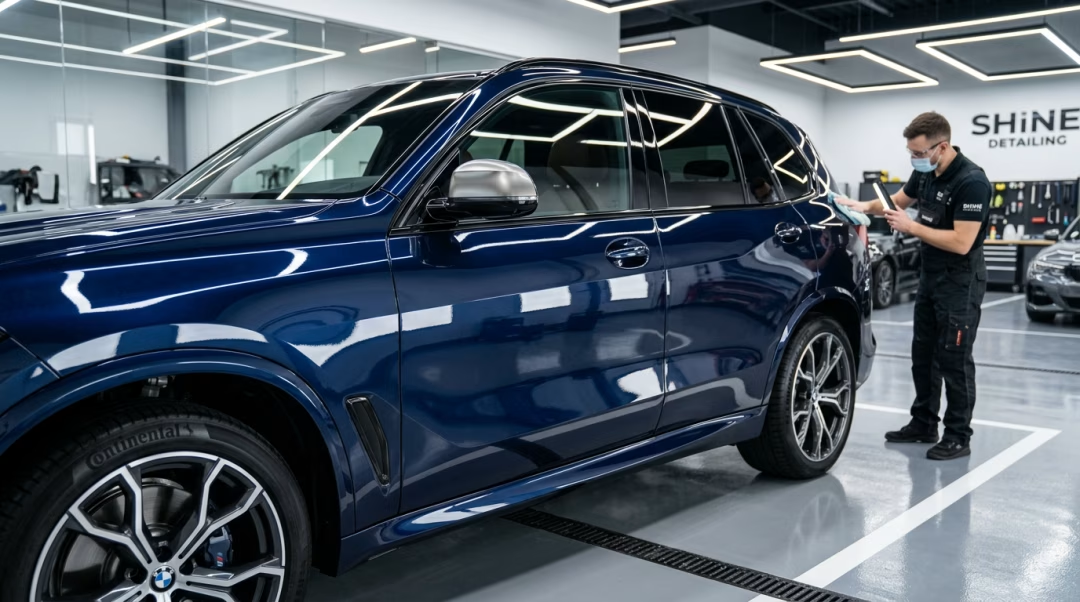
Once the waiting period is over, a comprehensive detail will not only protect the repaired area but also blend it seamlessly with the rest of your vehicle. A quality detail should include an interior and exterior service. The interior is often neglected, but body shops can generate a significant amount of dust that settles in vents, on dashboards, and in upholstery. The exterior work is where precision is most important.
An ideal first detail after a repair should include:
- Paint Decontamination: Using a clay bar to gently lift embedded contaminants (rail dust, industrial fallout) from the clear coat. This creates a perfectly smooth surface for waxes and sealants to bond to.
- Light Polishing: A fine polish can remove any minor surface imperfections or haze, enhancing the gloss and clarity of the new paint. It is vital that the detailer does not use an aggressive compound that could harm the finish. This is a step beyond washing and is sometimes referred to as paint correction.
- Application of Protection: This is the final and most important step. A high-quality carnauba wax, synthetic paint sealant, or even a ceramic coating can be applied to shield the paint from UV rays, bird droppings, road salt, and other environmental threats.
- Interior Deep Clean: A thorough vacuuming, steam cleaning, and wiping down of all interior surfaces to remove any residual dust and overspray from the repair process.
Establishing a Long-Term Detailing Routine
After the first crucial detail, your focus should shift to a regular maintenance schedule. This ensures the repaired sections continue to match the rest of the car and helps protect your vehicle's resale value. A consistent routine prevents the buildup of contaminants that can etch into your clear coat over time. Aim for a full detail, including wax or sealant application, every three to four months. This seasonal approach prepares your car for the challenges of summer sun and winter salt. In between full details, wash your car every one to two weeks to keep it clean and allow you to inspect the finish for any new issues. This proactive care is the best way to maintain the quality of your repair and the overall health of your vehicle.
How long should I wait to wax my car after a paint repair?
It is universally recommended to wait at least 30 days, and ideally between 60 to 90 days, before applying any wax or paint sealant. This allows the new paint to fully cure and outgas all its solvents. Applying wax too early can trap these solvents, causing cloudiness, hazing, or blistering in the finish.
Can I take my car through an automatic car wash after a body repair?
You should avoid all automatic car washes, especially those with brushes, for at least 30 days after a repair. The abrasive brushes can create fine scratches in the new, still-soft clear coat. Even touchless car washes use harsh chemicals and high-pressure water that can be detrimental to a fresh finish. Gentle hand washing is the only safe method initially.
What is paint curing and why is it important for detailing?
Paint curing is the chemical process where the paint hardens completely and all its liquid components, or solvents, evaporate. This process is critical because until the paint is fully cured, it is soft and vulnerable to damage. Detailing procedures like polishing and waxing must wait until after curing to avoid damaging the finish and to allow the protective layer to bond properly.
Will detailing remove the fine scratches left from the repair process?
A professional detail that includes a light polishing stage can often remove very fine surface swirls or micro-scratches that may be present after the repair. This process, known as paint correction, levels the clear coat to create a flawless, reflective surface. However, deeper scratches would indicate an issue with the repair itself and should be addressed by the body shop.
Is ceramic coating a good idea after a collision repair?
Yes, a ceramic coating is an excellent long-term protection option after a repair, but the timing is critical. Just like waxing, you must wait until the paint is fully cured (typically 60-90 days) before application. Once applied correctly, a ceramic coating provides superior protection against UV rays, chemicals, and minor scratches, lasting much longer than traditional waxes or sealants.
