Following an accident, one of the most immediate and stressful questions is, "How much will this cost to fix?" The truth is, the cost of collision repair in Northern Kentucky is not a one-size-fits-all number. It is a complex calculation influenced by a wide array of factors. The severity of the impact, the make and model of your vehicle, the specific panels that were damaged, and even the type of paint finish all play a crucial role in the final price. A minor bumper scuff will have a vastly different cost than a repair requiring structural realignment. This guide is designed to provide clarity and help you understand the variables that determine your repair estimate, empowering you to navigate the process with confidence. We believe an informed customer is a satisfied customer, and our goal is to demystify the costs associated with getting your vehicle safely back on the road.
Navigating the aftermath of a collision is challenging enough without the added worry of unpredictable repair costs. Our commitment extends beyond exceptional craftsmanship; we prioritize transparency and communication from the moment you request an estimate. We meticulously inspect your vehicle, explain the necessary procedures, and work directly with your insurance provider to ensure a smooth process. Understanding what you are paying for is your right, and we are here to answer every question. Continue reading for a detailed breakdown of the entire repair process and the factors that contribute to the cost.
A Detailed Breakdown of Collision Repair Costs in the NKY Region
When you receive a collision repair estimate, you are looking at a document that summarizes three primary components: parts, labor, and materials (like paint). However, the numbers assigned to each of these categories are influenced by a detailed assessment of your vehicle's specific needs. No two accidents are identical, which is why a professional, in-person evaluation is always necessary. An online photo can't reveal the hidden damage lurking behind a seemingly minor dented fender. Let's explore the core elements that shape your final repair bill.
Key Factors That Determine Your Repair Bill
Understanding the "why" behind your estimate is the first step toward feeling comfortable with the repair process. The price is not arbitrary; it's a careful calculation based on industry standards, safety protocols, and the unique characteristics of your vehicle.
- The Extent and Location of Damage: This is the most significant factor. A simple door ding that can be fixed with paintless dent repair (PDR) might cost a few hundred dollars. In contrast, damage to the vehicle's frame or unibody requires specialized equipment for straightening and meticulous measurements, which significantly increases labor hours and cost. Learn more about structural frame repair to understand the complexity.
- Vehicle Make, Model, and Year: The type of car you drive heavily impacts the price. Luxury vehicles (like BMW or Mercedes-Benz) and high-end trucks often use aluminum or high-strength steel panels, which are more expensive and require special techniques to repair. Parts for these vehicles are also priced higher than those for a standard domestic sedan.
- Type of Replacement Parts: You often have a choice between different types of parts, each with a different price point. Original Equipment Manufacturer (OEM) parts are made by your car's manufacturer and are identical to the ones your vehicle was built with. Aftermarket parts are produced by other companies, and while often cheaper, they may vary in fit and quality. Used or recycled parts are another cost-effective option. We can help you understand why OEM parts matter for fit, safety, and resale value.
- Labor Rates: Labor is calculated in hours, and the rate can vary between shops based on their certifications, equipment, and technician expertise. A certified technician trained to work on complex unibody structures or advanced electronics commands a higher rate, but that expertise ensures the job is done correctly and safely.
- Paint and Finishing: A quality paint job is a multi-step process. The cost includes preparing the surface, priming, applying multiple coats of color, and finishing with a protective clear coat. Modern auto paint color-matching technology is incredibly precise but adds to the material cost. Tri-coat or pearl finishes are more complex and expensive to apply than standard metallic or solid colors.
- Advanced Driver-Assistance Systems (ADAS): Modern vehicles are packed with technology. A minor bumper impact can knock cameras, radar, and parking sensors out of alignment. These systems must be professionally recalibrated after a repair to function correctly. This is a critical safety step that adds to the overall cost, and it's a key reason ADAS affects collision repair so much today.
Navigating the Insurance Claims Process
For most people, collision repair involves an insurance claim. Understanding how this process works can greatly reduce stress. Your insurance company will write an initial estimate, but it is important to remember this is often just a starting point. It is very common for a shop to discover additional damage once they begin disassembling the vehicle. When this occurs, we document the damage and submit a supplement to your insurance company for approval. You have the right to choose your own repair shop; you are not required to use a facility recommended by your insurer. Choosing a shop you trust is paramount to ensuring a quality repair.
Why a Professional Estimate is Non-Negotiable
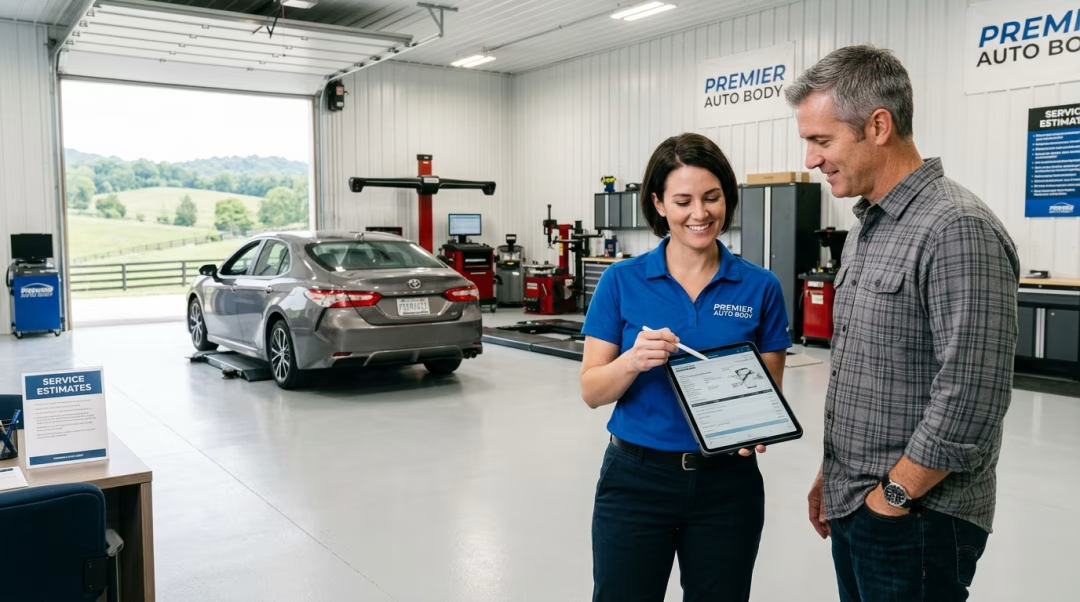
Getting a quick quote over the phone might seem convenient, but it is never accurate. A proper, thorough estimate is a diagnostic process. It involves inspecting the exterior, looking underneath the vehicle, checking panel gaps, and potentially performing an initial diagnostic scan. This detailed approach, as outlined in what happens during a collision repair estimate, ensures that the initial quote is as comprehensive as possible, minimizing surprises down the road and setting the stage for a safe, complete, and lasting repair.
Frequently Asked Questions About Northern Kentucky Collision Repair Costs
What is a supplement and why is it needed?
A supplement is an additional request sent to your insurance company for damages discovered after the initial estimate was written. It is very common to find bent brackets, cracked sensors, or hidden frame damage once a bumper or fender is removed. The supplement covers the cost of these necessary, unforeseen repairs to ensure your vehicle is restored completely and safely.
Will my insurance premium go up after a collision claim?
Whether your premium increases depends on several factors, including the specifics of your policy, who was at fault for the accident, and your previous claims history. A not-at-fault accident is less likely to raise your rates than an at-fault one. It is always best to discuss the potential impact with your insurance agent directly.
How long does a typical collision repair take?
The repair timeline varies widely based on the extent of the damage, parts availability, and insurance approval speed. A minor bumper repair might take 2-3 days, while extensive structural work could take several weeks. We provide a detailed overview of what to expect on our page about how long collision repair takes.
Can I get a rental car while my vehicle is being repaired?
Rental car coverage is an optional part of most auto insurance policies. If you have this coverage, your policy will cover the cost of a rental up to a certain daily limit for a specific number of days. We recommend checking your policy details or speaking with your insurance agent to confirm your coverage before dropping off your vehicle for repairs.
What is a diminished value claim?
A diminished value claim is a claim you can make against the at-fault party's insurance to compensate you for the loss in your vehicle's resale value, even after it has been perfectly repaired. A car with an accident history is often worth less than one without. This is a separate process from the repair claim itself, and you can learn more about what a diminished value claim is on our dedicated page.
